

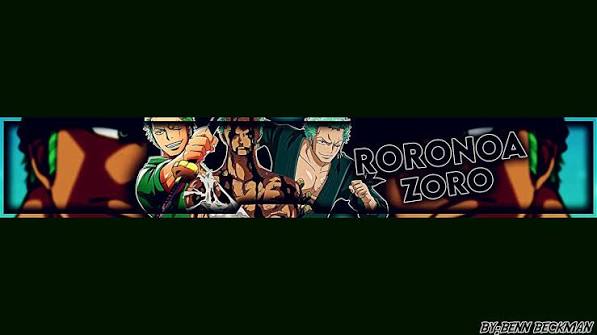
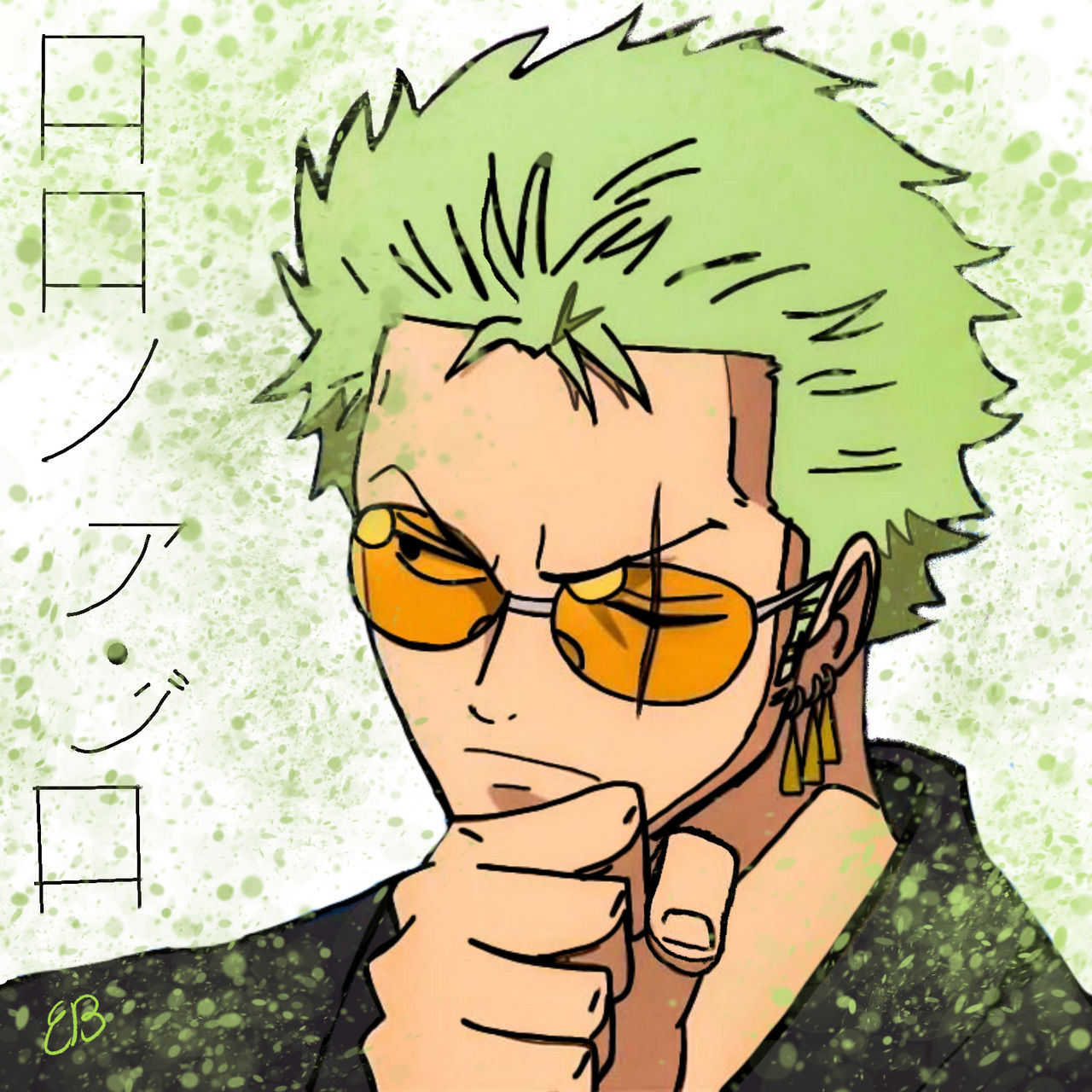
Roronoa Zoro
World’s Greatest Swordsman · Three Sword Style Master · First Mate, Straw Hat Pirates · Pirate Hunter · Asura
Grand Line · New World · Origin: Shimotsuki Village, East Blue — trained at Koshiro’s dojo from childhood
anitroves.com/roronoa-zoroAbout
Roronoa Zoro is the most relentless character in One Piece — and one of the most iconic figures in the history of shonen manga. A swordsman from Shimotsuki Village in the East Blue, he spent his childhood training at Koshiro’s dojo toward a single goal: to become the world’s greatest swordsman. That ambition was forged not from vanity but from a promise — to his childhood rival and friend Kuina, who died the day after they swore that one of them would claim the title. Zoro has never reconsidered the promise for a single moment since. Everything about him — the three-sword style he developed and that no other swordsman in the world uses, the naps that border on coma, the complete refusal to ask for directions, the willingness to absorb punishment that would kill lesser men without flinching — flows from this singular, inflexible commitment. Eiichiro Oda constructed Zoro as the series’ moral spine: where Luffy is instinct and freedom, Zoro is will and discipline. He does not talk about what he is going to become. He does not strategise about the best path. He decides, he endures, and he arrives. The world’s greatest swordsman title — held by Dracule Mihawk, the man who trained him during the timeskip — is not a distant aspiration for Zoro. It is a debt he is currently repaying, one blade at a time.
Experience

First Mate & Master Swordsman — Straw Hat Pirates
Straw Hat Pirates (麦わらの一味) · First Mate · Three Sword Style combat specialist
East Blue — Romance Dawn Arc · Active · Present
New World · All major Grand Line operations · Primary combatant role
The first crew member Monkey D. Luffy recruited — found tied to a post in a Marine base, having refused to renounce his dream in exchange for his freedom. As First Mate, Zoro’s role is not administrative: he is the crew’s second line of authority, the fighter who handles threats Luffy doesn’t reach first, and the person who silently ensures the captain never has to worry about the crew’s direction when Luffy himself cannot see it. His operational record across the Grand Line and New World is a catalogue of single-combat victories against opponents each more formidable than the last — Mr. 1, Kaku, Ryuma, Hordy Jones, Pica, and King — each fight representing a ceiling Zoro identified, broke through, and left behind. He does not celebrate victories. He notes what still needs to be surpassed and returns to training.
Supreme-Grade Swordsmanship Student — Under Dracule Mihawk (Kuraigana Island)
Dracule Mihawk (ジュラキュール・ミホーク) — Strongest Swordsman in the World · Warlord of the Sea · Yoru wielder
Post-Marineford timeskip · Two-year intensive instruction · Kuraigana Island
Kuraigana Island · Advanced swordsmanship, Haki integration, technique refinement
After Marineford, Zoro received Luffy’s coded message — “Nothing happened” — and understood immediately: two years of training before meeting again at Sabaody. He went to Mihawk. He asked the man he had sworn to surpass to train him. That request — the total abandonment of pride in service of the goal — is the single most character-defining act of Zoro’s arc. Mihawk accepted, calling it the most interesting request he had received. Zoro spent two years on Kuraigana Island training under the world’s current greatest swordsman, refining every dimension of his ability: swordsmanship technique, Haki integration, endurance, and the advanced breath-of-all-things control that would eventually become his most powerful techniques. When he re-emerged at Sabaody, he was a fundamentally different fighter — the gap between him and his pre-timeskip self was visible in a single clash.

Pirate Hunter (海賊狩り) — Independent Bounty Operative, East Blue
Independent operative · No affiliation · Bounty collection work · Pre-Straw Hat Pirates career
Post-dojo · Pre-Romance Dawn · East Blue operational period
East Blue · Marine-adjacent bounty work · Solo swordsmanship combat
Before joining Luffy, Zoro was the most feared swordsman in the East Blue operating under the epithet “Pirate Hunter” — a bounty collector who hunted pirates for the Marine reward system. His reputation was sufficient that his name was known to Marine officers, his skills were used as a recruitment bargaining chip by Captain Morgan’s son Helmeppo, and his capture was considered a significant Marine accomplishment. He spent this period continuing to train, taking bounty jobs to fund his journey toward the Grand Line and Mihawk, and accumulating the operational combat experience that gave his self-taught Three Sword Style its pragmatic edge. He was never a Marine. He worked with their reward system because it was the most efficient way to fight strong opponents and get paid for it.
Three Sword Style Originator — Santoryu Practitioner & Developer
Santoryu (三刀流) — Self-developed style · Third blade held in mouth · No other practitioner in world
Childhood development — Shimotsuki Dojo · Continuously refined through present
All operational theatres · Primary combat methodology
Zoro’s Three Sword Style is not a school or tradition — it is a style he invented himself as a child after realising that one sword in the mouth would give him a third attack vector no opponent could account for. No other swordsman in One Piece uses this style; there is no lineage, no sensei, no established kata. Everything about Santoryu — the stances, the named techniques, the breath control required to wield a blade with the jaw and teeth, the way the style integrates Haki into three simultaneous points of contact — Zoro developed through solo training and combat experience. His named techniques have expanded throughout the series from basic directional cuts to dimensional-scale slashing attacks: Oni Giri, Three Thousand Worlds, Dragon Twister, and ultimately the Ashura / Nine Sword Style that represents the upper ceiling of the style at its current development.
Asura Manifestation — Nine Sword Style & King of Hell Three Sword Style
Asura (阿修羅) — Demon God manifestation · Pre-timeskip form · King of Hell Three Sword Style (post-timeskip)
First manifested: Thriller Bark, vs. Gecko Moria’s shadow construct Ryuma · Advanced form developed at Wano
Extreme combat states · Spiritual energy concentration · Highest output techniques
Asura is the apex form of Zoro’s Three Sword Style — a state in which he manifests the visual form of a multi-headed, multi-armed demon god, producing the illusion of nine swords and three heads that strikes opponents from multiple angles simultaneously. The technique was first used at Thriller Bark against the shadow-empowered Ryuma, and later evolved at Wano into the “King of Hell” variants: techniques that combine Conqueror’s Haki infusion with the three-sword style to produce attacks capable of matching and exceeding the output of fire-generating Ancient Zoan opponents like King. The King of Hell form is Zoro post-timeskip at his operational ceiling — combining Conqueror’s Haki, Armament Haki, Observation Haki, and Three Sword Style technique in a unified output that generates black lightning and intimidates opponents at the level of sensation before the first strike lands.
Education
Shimotsuki Dojo — Foundational Sword Training Under Koshiro
Shimotsuki Dojo (霜月道場) — Shimotsuki Village, East Blue · Master Koshiro · Childhood through early adolescence
Childhood enrollment — departure for Grand Line · Foundation of Two Sword Style before developing Three
Shimotsuki Village, East Blue · Swordsmanship fundamentals, discipline, kata, competitive training
Self-Directed Training — Promise to Kuina & Three Sword Style Development
Kuina (くいな) — Koshiro’s daughter · Childhood rival · Died the day after their mutual promise
Post-Kuina’s death — continuous through present day · Self-imposed curriculum · No instructor
Wherever Zoro trains · Third blade development, named technique invention, physical conditioning
Advanced Swordsmanship — Dracule Mihawk (World’s Greatest Swordsman)
Dracule Mihawk (ジュラキュール・ミホーク) — Strongest Swordsman in the World · Kuraigana Island
Post-Marineford timeskip · Two-year programme · The man Zoro swore to surpass becomes his teacher
Kuraigana Island · Elite swordsmanship, Haki integration, technique ceiling expansion
Wano Samurai Tradition & Conqueror’s Haki Emergence — Wano Country Arc
Wano Country (ワノ国) · Shimotsuki heritage rediscovered · Conqueror’s Haki awakened in combat vs. King
Wano Country Arc · Onigashima · Live combat development — not structured training
Wano Country · King of Hell Three Sword Style, Conqueror’s Haki infusion, Enma blade mastery
Skills
Roronoa Zoro’s skill profile is the most purely specialised in the Straw Hat Pirates: everything he is and does is in service of one function — becoming the greatest swordsman in the world. His baseline combat is Three Sword Style (Santoryu), a style with no precedent and no other practitioner, developed entirely through solo training. Three swords means three simultaneous attack and defence vectors, and Zoro’s control of all three — with two hands and his mouth — requires physical and mental coordination that no conventionally trained swordsman can match or anticipate. His named techniques span a range from rapid-draw slashes (Ittoryu Iai) to omnidirectional gale-force cuts (Dragon Twister, Three Thousand Worlds) to the dimension-scale Ashura manifestation. His Armament Haki integration is among the strongest in the series — he demonstrated the advanced “internal destruction” technique independently at Wano, without being taught it, simply by enduring Kaido-level combat long enough for his body to adapt. His Conqueror’s Haki — one of the rarest abilities in the One Piece world, belonging to those born with the qualities of a king — emerged unbidden during the Wano rooftop fight, and he immediately integrated it into his blades, producing the black lightning characteristic of Conqueror’s-infused attacks. His Observation Haki is elite but not his primary sensory tool — he relies more on combat instinct refined through years of continuous live-combat training than on future-sight refinement. His physical endurance} is the most extreme in the crew — the Thriller Bark scene, where he absorbed all of Luffy’s accumulated pain and loss into his own body and stood up bleeding from every surface while telling Sanji nothing happened, is the most celebrated single moment in the series for a reason: it demonstrates that Zoro’s capacity to endure damage and continue is not a power level. It is a choice, made repeatedly, in service of a promise he intends to keep.
Languages
Common Tongue (World Standard)
Native — the shared language of the One Piece world; Zoro’s communication style is direct, minimal, and frequently blunt to the point of rudeness; he does not use more words than a situation requires and often uses significantly fewer, which is functionally indistinguishable from fluency and operationally more effective in most combat contexts
Swordsmanship — Technical Combat Language
Expert — Zoro’s primary mode of communication with opponents is through the quality and precision of his blade work; his assessment of an opponent’s skill, his decisions about technique deployment, and his real-time strategic reading of a fight constitute a communication system as sophisticated as any verbal language, readable only by those at a comparable skill level
Wano Japanese (Classical) — Partial Contextual Understanding
Operational — during the Wano arc Zoro demonstrated comprehension of classical Wano speech patterns and samurai tradition, consistent with his Shimotsuki lineage (later revealed that his village of origin was founded by a Wano exile); his connection to Wano’s swordsmanship tradition — specifically the Enma blade and its demand that the wielder provide enough Haki to satisfy it — is effectively a linguistic relationship between swordsman and sword
Licenses & Certifications
Straw Hat Pirates — First Mate, Combat Specialist
Straw Hat Pirates (麦わらの一味) · First Mate · Recruited: Shells Town, East Blue
Issued: Romance Dawn Arc · Active through present day
Credential ID: STRAWHATS-FIRSTMATE-ZORO-001
World’s Greatest Swordsman — Title Claimed Post-Final Arc
Previously held by Dracule Mihawk · The goal of Zoro’s entire existence
Declared upon: defeat of Dracule Mihawk (Final Arc) · The promise to Kuina fulfilled
Credential ID: GREATEST-SWORDSMAN-ZORO-001
Conqueror’s Haki (Haoshoku Haki) — Blade Infusion Achieved at Wano
Haoshoku Haki (覇王色の覇気) · One in several million · Emerged unbidden in combat vs. King
First manifested: Onigashima Rooftop, Wano Country Arc · Black lightning infusion confirmed
Credential ID: HAOSHOKU-HAKI-ZORO-001
Enma Blade Mastery — Supreme-Grade Sword Wielded at Full Capacity
Enma (閻魔) — Supreme-Grade Sword · One of 21 O Wazamono · Previously wielded by Kozuki Oden
Received: Wano Country Arc, from Kozuki Hiyori · Mastered: Onigashima combat
Credential ID: ENMA-MASTERY-ZORO-001
Accomplishments
Historic Achievement
Defeated King the Wildfire — Only Calamity of Kaido’s Crew to Fall in Single Combat
Wano Country Arc · Onigashima · King was Kaido’s right-hand man, the strongest of the three All-Stars, an Ancient Zoan Pteranodon-type, and the last known Lunarian — a race the World Government classified and suppressed; Zoro defeated him by unlocking Conqueror’s Haki infusion mid-fight, becoming the only swordsman to overcome an opponent of that specification in single combat
Defining Moment
Thriller Bark — Absorbed Luffy’s Entire Accumulated Pain into His Own Body and Stood Up
Thriller Bark Arc · After Zoro asked Kuma to spare Luffy’s life at the cost of experiencing everything Luffy had endured in the fight — “Nothing happened” — he stood covered in blood from every surface while Sanji found him; the scene is the most cited single moment in all of One Piece for defining what a character’s will actually means
Combat Achievement
Cut Pica — A Logia-Class Opponent — With Haki-Infused Three Sword Style at Island Scale
Dressrosa Arc · Pica occupied an entire mountain-sized stone construct; Zoro cut the construct and Pica in a single aerial slash while simultaneously redirecting his trajectory mid-air — a combination of technique, Haki precision, and spatial awareness that produced one of the series’ most visually spectacular single combat panels
Foundational Act
First Crew Member — Refused to Renounce His Dream in Exchange for Freedom
Romance Dawn Arc · Zoro was found tied to a post in a Marine base with nothing to eat for weeks; when Helmeppo offered his freedom in exchange for renouncing his goal, Zoro refused; Luffy cut him down immediately after; every subsequent accomplishment flows from the fact that Zoro chose the dream over the pragmatic exit when it cost the most
Legacy
World’s Greatest Swordsman — The Promise to Kuina, Kept Across the Entire Series
From the night he and Kuina swore that one of them would reach the title, through every defeat and every ceiling surpassed, to the moment he stood at the top — Zoro’s journey is the series’ most complete single-character arc of pure, unwavering commitment to a goal; the title was never the point; keeping the promise was
Similar Profiles
King of the Pirates · Gear 5 · Nika · Straw Hat Pirates Captain

Seventh Hokage · Nine-Tails Jinchūriki · Child of Prophecy · Toad Sage
Special Grade Jujutsu Sorcerer · Professor at Tokyo Jujutsu High · Six Eyes Wielder
Humanity’s Strongest Soldier · Captain, Survey Corps · Ackerman Clan
Attack Titan · Founding Titan · Architect of the Rumbling · Survey Corps
ANBU Captain · Akatsuki · Mangekyō Sharingan · Sacrificed Everything for Konoha
Prince of the Saiyans · Ultra Ego · Z Fighter · Dragon Ball Super
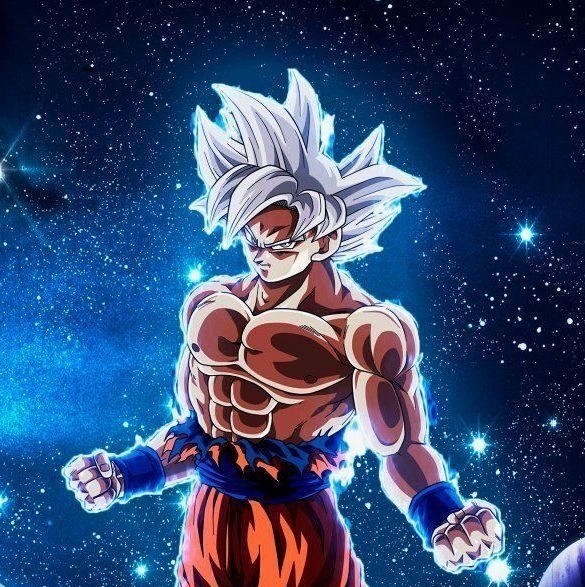
Legendary Saiyan Warrior · Protector of Earth · Ultra Instinct Master · Z Fighter
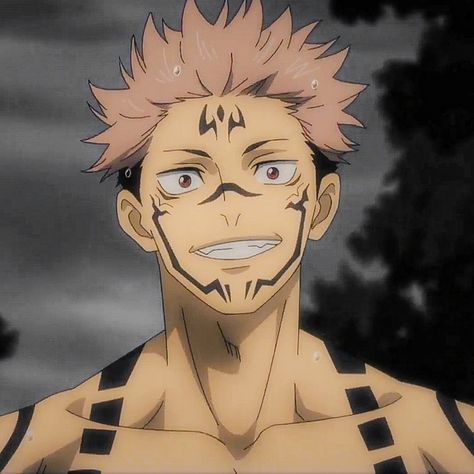
King of Curses · Highest-Ranked Cursed Spirit · Jujutsu Kaisen
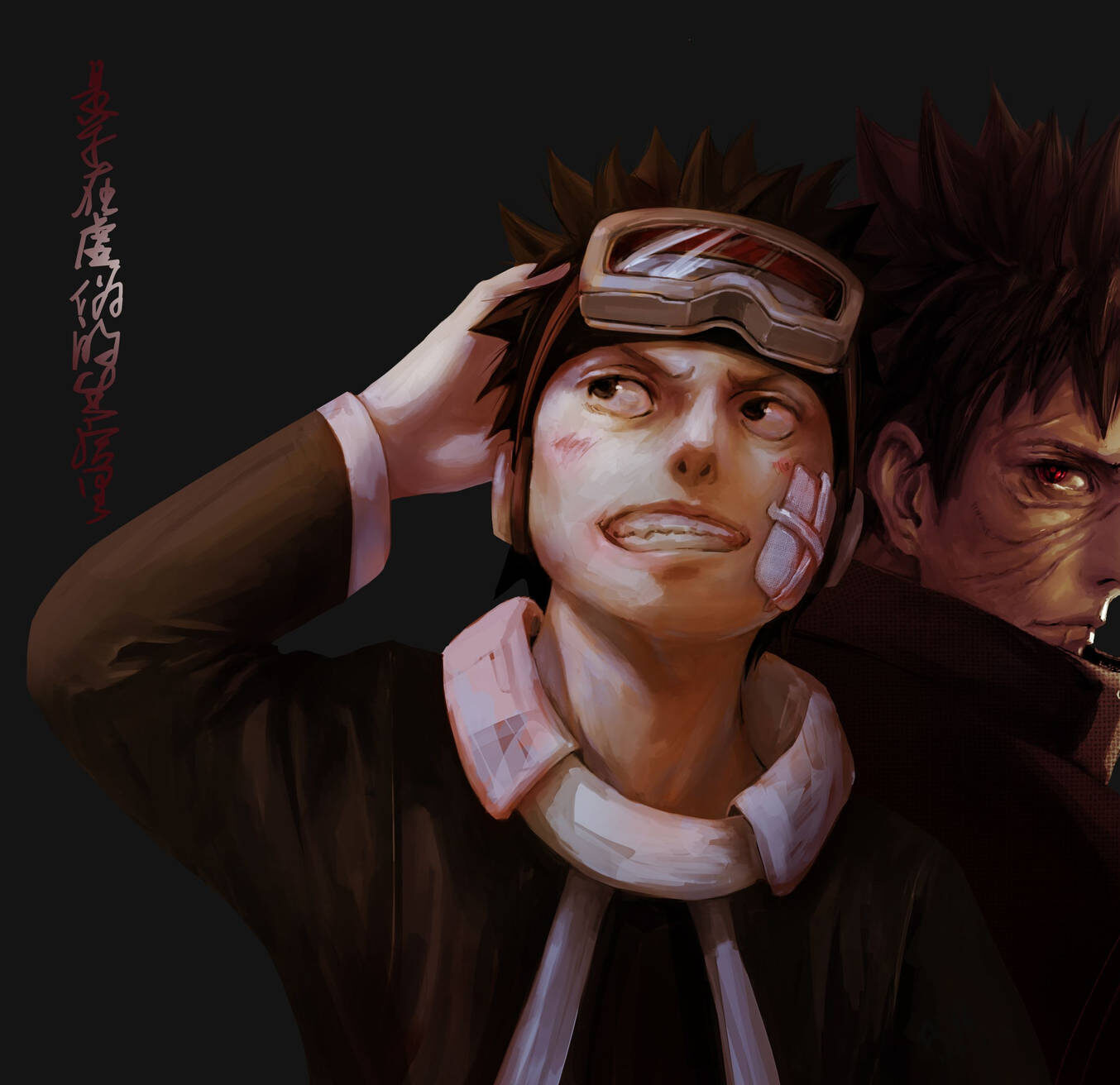
Masked Man · Akatsuki Leader · Ten-Tails Jinchūriki
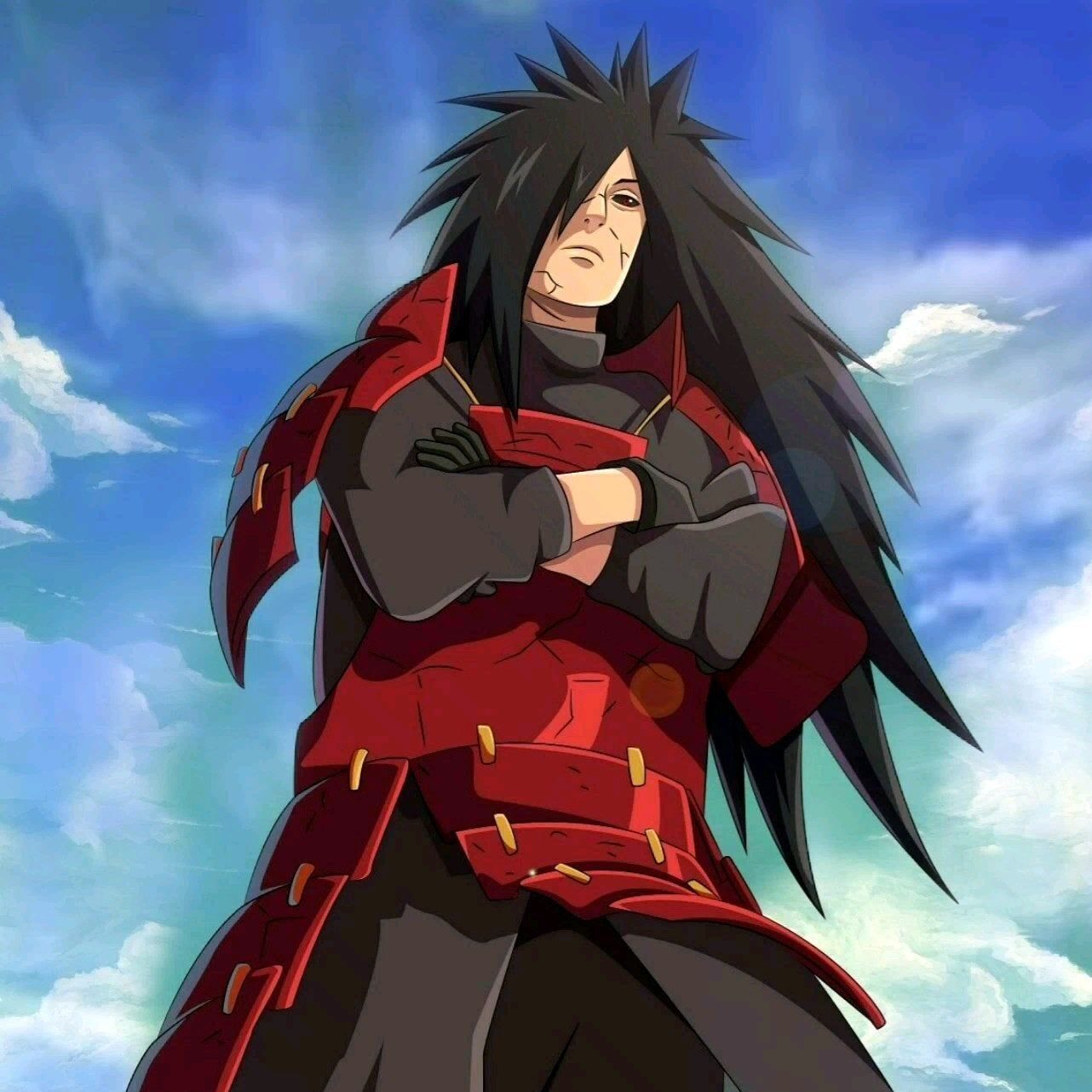
Legendary Shinobi · Co-Founder of Konohagakure · Six Paths Sage · Uchiha Clan Leader
Similar Profiles
King of the Pirates · Gear 5 · Nika · Straw Hat Pirates Captain
Seventh Hokage · Nine-Tails Jinchūriki · Child of Prophecy · Toad Sage
Special Grade Jujutsu Sorcerer · Professor at Tokyo Jujutsu High · Six Eyes Wielder
Humanity’s Strongest Soldier · Captain, Survey Corps · Ackerman Clan
Attack Titan · Founding Titan · Architect of the Rumbling · Survey Corps
ANBU Captain · Akatsuki · Mangekyō Sharingan · Sacrificed Everything for Konoha
Prince of the Saiyans · Ultra Ego · Z Fighter · Dragon Ball Super
Legendary Saiyan Warrior · Protector of Earth · Ultra Instinct Master · Z Fighter
King of Curses · Highest-Ranked Cursed Spirit · Jujutsu Kaisen
Masked Man · Akatsuki Leader · Ten-Tails Jinchūriki
Legendary Shinobi · Co-Founder of Konohagakure · Six Paths Sage · Uchiha Clan Leader
Character Deep Dive
Roronoa Zoro
ロロノア・ゾロ · Character Profile
Physical Build & Appearance
Height
181 cm (5’11”) post-timeskip — broad-shouldered, heavily muscled, and physically imposing in a way that reads as categorically different from the other crew members. His physique is the most conventionally warrior-built in the Straw Hats, which is consistent with his role: he is the crew’s primary combat specialist and his body is optimised exclusively for fighting.
Hair
Short, slightly spiky green hair — one of the series’ most immediately recognisable character design choices. The green is distinctive enough that Zoro is identifiable at any scale across any One Piece illustration. Post-timeskip the cut is roughly the same; the colour is unchanged. It has never been explained. It does not require explanation.
Eyes
Dark grey, sharp, and perpetually narrowed — Zoro’s eyes project threat as a baseline state. In Asura manifestation a third eye appears on his forehead, matching the three-headed demon aesthetic of the form. His gaze has been noted by opponents and allies alike as conveying intent without words, which is functionally consistent with how he communicates in general.
Marks
A scar running diagonally across his left eye — acquired at some point during his pre-Straw-Hat career; he has never explained how. Post-timeskip the scar is fully healed over the closed left eye. The significance of whether the eye beneath is functional is unresolved by the series. Numerous scars across his torso from accumulated combat damage, most notably the criss-crossed patterns across his chest and abdomen.
Attire
A green haramaki (belly wrap) is Zoro’s most consistent clothing element across the series — it is where he stores his non-dominant swords when not in combat. His outfit changes arc to arc but the haramaki remains constant. Post-timeskip he typically wears a white shirt open to the chest. In combat he often removes his shirts entirely as the fight escalates.
Transformed States
Asura (Nine Sword Style): manifests the visual form of a three-headed, six-armed demon god with nine blades. King of Hell Three Sword Style (post-timeskip): generates black lightning from Conqueror’s Haki-infused blades, dramatically elevated output without visual transformation — the power is visible in the environment’s response rather than Zoro’s form. Both states are entered by will, not by transformation — there is no devil fruit involved.
Biography & Chronological History
Shimotsuki Village — Koshiro’s Dojo, Kuina, and the Promise
Zoro grew up in Shimotsuki Village in the East Blue, training at the dojo run by Koshiro from childhood. He was the best student in the dojo with one consistent exception: Koshiro’s daughter Kuina, who defeated him repeatedly and who he could never surpass despite every attempt. The night they swore their mutual promise — that one of them would become the world’s greatest swordsman — was also the last night Kuina was alive. She died in a fall down the dojo stairs the next morning. Zoro asked Koshiro for her sword — the Wado Ichimonji — and swore he would reach the title for both of them. He has trained toward that promise every day since, carrying the Wado Ichimonji in his mouth in honour of the promise and the person who made him make it.
Pirate Hunter — East Blue Solo Career and Capture by the Marines
After leaving the dojo, Zoro worked as a pirate hunter in the East Blue — one of the weakest seas in the world — collecting Marine bounties on pirates to fund his journey toward the Grand Line and Dracule Mihawk. His reputation grew steadily: he became known as the most dangerous swordsman in the East Blue, feared by pirates and respected by Marines for the practical utility of his work. He was eventually captured by Captain Morgan’s Marines and held in captivity without food for weeks, tied to a post in the Marine base at Shells Town — a punishment for injuring Captain Morgan’s son Helmeppo, who had killed a man for fun in Zoro’s presence. He refused to renounce his goal in exchange for early release. He would have died there. Luffy cut him down instead.
Joining Luffy — First Crew Member, East Blue Arc
Zoro’s first conversation with Luffy produced one of the series’ most efficient character introductions: Luffy asked if Zoro would join his crew; Zoro asked what he would get out of it; Luffy said he could help him become the world’s greatest swordsman. Zoro accepted, with the condition that if Luffy ever stood in the way of his goal, Zoro would kill him. Luffy accepted. The terms have never been violated by either party. What followed was Zoro’s first proper combat as a Straw Hat — defeating Helmeppo and Captain Morgan — and the first demonstration of his combat ceiling within the series. His pre-timeskip Grand Line career took him from Baratie to Arlong Park to Loguetown, the Whiskey Peak, Little Garden, Alabasta, Skypiea, Water 7, Enies Lobby, Thriller Bark, and the Sabaody Archipelago — at each island fighting the strongest available opponent and winning.
The Duel with Mihawk — Defeat, the Vow, and the Foundation of the Timeskip
Zoro’s pre-timeskip encounter with Dracule Mihawk — at the time, the world’s greatest swordsman — established the series’ swordsmanship benchmark. Mihawk chose to fight Zoro with a tiny knife rather than his Supreme-Grade sword Yoru, and still won decisively. Zoro’s response to being defeated — turning his back to Mihawk’s finishing blow, forcing Mihawk to strike him from the front because dying to a wound in the back would be unworthy of the dream — was the moment Mihawk decided he was worth remembering. He did not kill Zoro. He gave him a scar and told him to come back as someone who could provide a real fight. Everything Zoro did in the series from that point forward was in preparation for the rematch.
Thriller Bark — “Nothing Happened” — The Series’ Most Celebrated Moment
At Thriller Bark, Bartholomew Kuma appeared and offered to spare the crew’s lives in exchange for one of them accepting all the pain Luffy had accumulated in the battle against Gecko Moria — described as enough suffering to kill an ordinary person several times over. Zoro volunteered before anyone else could speak. He absorbed everything into his own body, stood while blood poured from every surface, and when Sanji found him and asked what had happened, said: “Nothing.” This moment has no combat context — it does not make Zoro stronger, it does not advance the plot, it resolves nothing. It simply demonstrates, without commentary or explanation, what kind of person he is. The scene is the single most cited individual moment across One Piece’s entire run when readers are asked what defines the series.
Two Years Under Mihawk — Kuraigana Island Training
After Marineford — where Zoro had tried to negotiate with Kuma for Luffy’s life by offering his own, only to be shown the extent of what Luffy had suffered and given the choice to take it — he received Luffy’s coded message and understood: two years. He went to Mihawk. He asked the man he intended to surpass to train him, explicitly framing the request as being in service of surpassing him. Mihawk found this — and still finds it — amusing. The two-year training is not described in detail by the series; the results are demonstrated at Sabaody, where Zoro defeated a hundred enemies in a single slash before anyone had time to react. The gap between pre- and post-timeskip Zoro is the largest of any crew member. He did not waste the two years.
Wano Country — King the Wildfire, Enma, Conqueror’s Haki, and the Ceiling Broken
Wano Country is where Zoro’s post-timeskip development climaxed. He received the Enma — one of the 21 O Wazamono Supreme-Grade swords, previously wielded by Kozuki Oden — from Oden’s daughter Hiyori, in exchange for returning the Shusui he had taken from Ryuma’s tomb. Enma is a blade that draws the user’s Haki out against their will, draining them rapidly unless they can maintain sufficient output to satisfy it. Mastering Enma required Zoro to develop his Haki to a new ceiling — which he did, in live combat. On the Onigashima rooftop and in the subsequent battle against King, Zoro’s Conqueror’s Haki emerged for the first time — without training, without intention, as a natural manifestation of the quality of his will. The black lightning that characterises Conqueror’s-infused attacks appeared unbidden on his blades. King acknowledged it before falling. The world’s greatest swordsman seat shifted one step closer.
Key Story Arcs Manga & Anime
One Piece — Romance Dawn Arc
First Crew Member — The Terms of His Loyalty
The Romance Dawn arc introduces Zoro in a position of complete powerlessness — tied to a post, starving, awaiting execution — and immediately establishes the terms of his character through his refusal to compromise the one thing that matters. His agreement to join Luffy comes with the explicit condition that his own goal cannot be sacrificed for the crew’s. This is not selfishness; it is the clearest possible statement of what he is. Every subsequent arc is a demonstration that Luffy understood this and accepted it completely.
One Piece — Baratie / Mihawk Duel Arc
Defeat by Mihawk — The Scar and the Vow
The Baratie arc contains Zoro’s most important pre-timeskip moment: losing to Mihawk with a knife and choosing to take the finishing blow frontally rather than in the back. Mihawk’s response — a genuine acknowledgement that Zoro is worth the memory — is the series’ first indication that the ambition is credible. Zoro’s vow to never lose again until he has surpassed Mihawk is not made loudly. It is made to the sky while bleeding in the ocean. He has kept it.
One Piece — Enies Lobby Arc
Kaku and the First Armament Haki Integration — Three Sword Style at Cipher Pol Scale
At Enies Lobby, Zoro fought Kaku — a CP9 agent with a Giraffe Zoan and Rokushiki mastery — and defeated him by pushing past the ceiling of his pre-timeskip Haki integration. The fight is Zoro at the limit of his pre-timeskip output, and the result — defeating a Rokushiki user with Haki-coated blades — established what the post-timeskip version would look like at scale. Enies Lobby also produced one of the series’ most celebrated visual sequences: Zoro and Sanji’s coordinated attack on the Sea Train, which demonstrates what happens when the crew’s two strongest fighters work together without ego getting in the way.
One Piece — Thriller Bark Arc
“Nothing Happened” — The Definition of a First Mate
Thriller Bark’s emotional core is entirely carried by a single scene that has no combat and no dramatic music. Zoro absorbed Luffy’s pain. He was found covered in blood. He said nothing happened. The arc otherwise contains his victory over shadow-empowered Ryuma — a legendary samurai of Wano who wielded a former Mihawk-class sword — which established his Asura technique. But the Kuma scene is what the arc means. It is the clearest definition of what Zoro’s loyalty actually costs and what he will spend without hesitation.
One Piece — Dressrosa Arc
Pica — Island-Scale Combat and Aerial Technique Mastery
The Dressrosa arc gives Zoro the post-timeskip’s most visually spectacular single combat. Pica — a Stone Logia-type who occupied the entire country in a mountain-sized construct — was defeated by Zoro in a single aerial slash that cut through the stone at country scale. The technique required simultaneous airborne trajectory redirection, Haki amplification at maximum output, and the composure to execute a precision cut while inverted at altitude. He then landed and asked if anyone saw which way he came from. He was lost again immediately. The scene is funnier for being true.
One Piece — Wano Country Arc
King the Wildfire, Enma, and Conqueror’s Haki — The World’s Greatest Swordsman in Sight
Wano is Zoro’s definitive post-timeskip arc: he receives Enma, masters it under live combat pressure, fights on the Onigashima rooftop alongside Luffy against Kaido and Big Mom, and then defeats King in the building’s interior in a fight that unlocks Conqueror’s Haki infusion. The fight against King is the most technically demanding Zoro has faced to date — an Ancient Zoan user with fire-generation, defensive hardening, and a combat style built around attrition and sustained pressure. Zoro won by deciding to push past his own ceiling rather than manage it. This is, consistently, the only method he knows.
Key Relationships
Monkey D. Luffy
Captain — The One He Follows Without Question
Zoro’s relationship with Luffy is the series’ most complete expression of chosen loyalty. He did not follow Luffy because he had no other options — he followed because Luffy was the first person whose dream was compatible with his own, and because Luffy understood immediately and intuitively what Zoro’s goal cost and never once asked him to subordinate it. Zoro would die for Luffy. More relevantly: he already almost did, voluntarily, at Thriller Bark.
Dracule Mihawk
Rival — The Ceiling — The Teacher
Mihawk is the only person in the series who occupies three simultaneous roles in Zoro’s life: the person he intends to surpass, the person who defeated him most decisively, and the person who trained him. The dynamic of asking your greatest rival to make you strong enough to defeat them is the series’ most formally peculiar mentorship, and Mihawk’s acceptance of it — with genuine interest rather than condescension — is the clearest indication that he sees Zoro as the inheritor of the title rather than a future challenger to be managed.
Kuina
Childhood Rival — The Promise — The Reason
Kuina is present in every chapter of One Piece that features Zoro, without ever appearing after the flashback in which she dies. The Wado Ichimonji — her sword, carried by Zoro in his mouth — is her physical presence in every fight. The promise they made is the reason for everything. Zoro’s goal is not ambition. It is obligation. He owes it to her to reach the title. He intends to pay the debt.
Vinsmoke Sanji
Rival Crewmate — The One He Fights For And With
Zoro and Sanji’s relationship is the series’ most entertaining and most deliberately misread. Their constant fighting — competitive, loud, occasionally destructive — is consistently and unambiguously the behaviour of two people who trust each other completely and express it through competition. When the situation requires genuine collaboration they are the most effective combat pairing in the crew. The fight over who is stronger is real. It does not interfere with either of them doing their actual job, which is keeping Luffy alive.
Kozuki Oden
Predecessor — The Standard He Must Exceed
Zoro never met Oden. He carries Oden’s sword — Enma — and is the only person since Oden to wield it without dying to its Haki drain. The parallelism is explicit: Zoro is being positioned as the swordsman who surpasses Oden, the man Mihawk acknowledged as having come closest to his level before Zoro. In Wano, cutting what Oden cut — Kaido — became the operational benchmark. Zoro did not quite accomplish this; he was not the one who defeated Kaido. But what he contributed to the rooftop fight was the closest any single combatant came.
Koshiro
First Sensei — The One Who Let Him Go
Koshiro’s decision to give Zoro Kuina’s sword — rather than keep it as a memorial — was the act that made the promise a real commitment rather than a child’s grief. He understood that the sword needed to be with the person who would fulfil what Kuina couldn’t. Zoro’s relationship with Koshiro is brief in the series but foundational: Koshiro is the person who, by trusting Zoro with the thing that mattered most, made Zoro’s entire career possible.
Ryuma (Shusui)
Legendary Predecessor — Defeated and Acknowledged
Ryuma is the legendary swordsman of Wano whose animated shadow-puppet form Zoro defeats at Thriller Bark. Ryuma — even in his reanimated, non-cognisant state — acknowledged Zoro’s skill before falling. The Shusui sword Zoro took from Ryuma’s corpse became his primary blade until Wano, where he returned it in exchange for Enma. The transition — giving up a cursed legendary blade for the sword of the man who came closest to Mihawk before Zoro — is one of the series’ most loaded symbolic exchanges.
Straw Hat Grand Fleet
Subordinates — 5,600 Fighters Who Chose the Crew
Zoro’s role within the Grand Fleet is the same as within the crew: he is the combat specialist whose presence communicates the upper ceiling of what the Straw Hats can do. The 5,600-fighter fleet that formed around Luffy at Dressrosa includes groups who specifically witnessed Zoro’s performance and chose to follow the crew partly because of what that performance implied about the crew’s strength ceiling. His reputation within the pirate world at large is second only to Luffy’s.
Meta, Production & Cultural Impact
Creator
Eiichiro Oda (尾田栄一郎) — designed Zoro as the crew’s counterweight to Luffy’s instinct: where Luffy operates on pure want, Zoro operates on pure will; Oda has stated that Zoro was designed first among the crew, before Luffy, and that the two characters were built to complement each other structurally — freedom and discipline, chaos and commitment
First Appearance
One Piece Chapter 3, Weekly Shōnen Jump, 1997 — introduced before any other recurring crew member, establishing that the crew’s identity was built around his archetype as much as Luffy’s
Anime
Toei Animation — voiced in Japanese by Kazuya Nakai, whose performance defines Zoro’s laconic, deeply dry delivery; in the Netflix live-action adaptation (2023) played by Mackenyu Arata, whose physicality and intensity earned significant critical praise as one of the adaptation’s strongest casting choices
Popularity
Zoro consistently places first or second in One Piece’s official character popularity polls — the most contested ranking in the franchise — alternating with Luffy depending on the arc. He is the series’ most popular non-protagonist by a significant margin, and merchandise, cosplay, and fan art volumes for him rival the protagonist across all major anime markets. His “Nothing happened” scene is the single most cited One Piece moment in reader surveys globally.
Cultural Impact
Zoro is the defining template for the “rival turned loyal lieutenant” archetype in shonen manga — the character who is arguably the series’ most capable fighter but subordinates that capability entirely to the captain’s vision without resentment or calculation. His directional inability (he cannot find his way anywhere) has become one of the most widely referenced running gags in all of anime, spawning a globally understood shorthand: “Zoro got lost again” needs no explanation to anyone who has watched One Piece
Creator Notes
Oda has confirmed in interviews that Zoro’s getting-lost joke is intentional and permanent — that it reflects a genuine aspect of his personality (total single-mindedness about the goal combined with complete indifference to anything that doesn’t directly serve it) rather than being a simple recurring gag. Oda has also confirmed that Zoro’s full backstory — including the full extent of his Shimotsuki lineage and its connection to Wano — was planned significantly before the Wano arc revealed it publicly