



What is Otaku?
The word otaku literally translates to “your house” or “your family” (お宅), traditionally used in polite Japanese conversation as a formal second-person pronoun to address someone else’s household.
Its shift into subcultural slang began in the early 1980s. Cultural essayist Akio Nakamori noticed that attendees at sci-fi and manga conventions—cliquey, socially awkward, and deeply specialized—addressed each other using this formal, slightly distant pronoun. In 1983, he published a series of essays popularizing the term to describe this emerging tribe of obsessive collectors.
For a long time, the label carried heavy social stigma in Japan, associated with extreme isolation and social withdrawal (hikikomori). However, over the last two decades, that narrative has fundamentally shifted. Today, otaku has been largely recontextualized as a badge of honor, representing a deep, authoritative expertise in a chosen niche.
- As cultural theorist Hiroki Azuma famously noted, modern otaku don’t just consume a single narrative; they dissect the underlying “database” of a franchise. They memorize lore, analyze character design tropes (like moe traits), and actively map out fictional universes.
- Otaku are rarely passive consumers. The entire culture thrives on fan-made derivative works, most visibly seen in the massive Doujinshi (self-published manga and magazines) markets like Comic Market (Comiket) in Tokyo, where fans create, share, and sell their own alternative stories.
- Central to the otaku experience is moe (萌え)—a profound, affectionate psychological attachment to fictional characters. It is this specific emotional capacity that bridges the gap between traditional media consumption and the modern rise of interactive AI companions.
Today, the term has globalized. Being an otaku means being part of a highly connected, fiercely passionate global community that treats media not just as entertainment, but as a central framework for identity and social connection.
What is an Anime Otaku?
While the broader term otaku can technically apply to any intense obsession—from military history to trains—the global zeitgeist has permanently fused the word with one specific medium: Japanese animation and its sister industries, manga and light novels.
An anime otaku is not just someone who watches a lot of anime. They represent a distinct, highly sophisticated tier of media consumption characterized by deep emotional investment, active community participation, and an insatiable appetite for subcultural literacy.
How to know if someone is an Otaku or not?
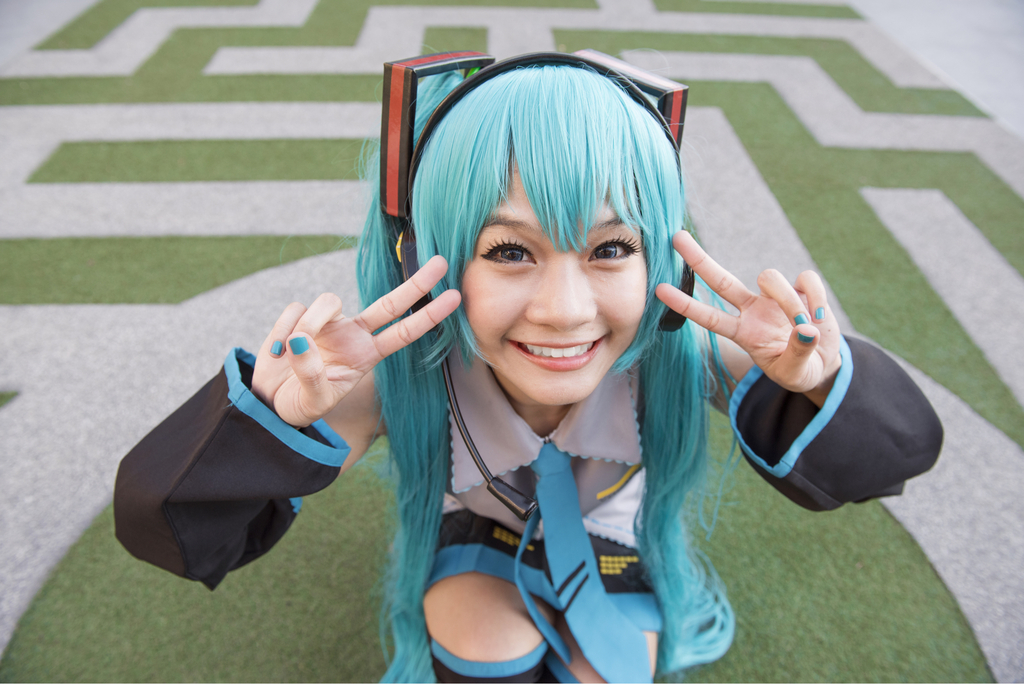
If you want to know if someone is an otaku or not then these are key features you should look in the desired person:
- An anime otaku doesn’t just know the characters; they know the ecosystem behind them. They track specific animation studios (like Kyoto Animation, MAPPA, or Ufotable), follow individual directors (like Makoto Shinkai or Tatsuki Fujimoto), and recognize the distinct vocal ranges of voice actors (seiyuu) so ask them about specific characters and their roles.
- An otaku analyzes the upcoming slate of dozens of new shows, curates a strict “Seasonal Watchlist,” and participates in real-time global discussions as episodes drop week by week, just ask them if they have a curated watchlist and if they participate in Anime or other related discussions online.
- While casual fans usually stick to massive, globally marketed shonen hits, an otaku actively seeks out niche genres—such as isekai (world-transportation), slice-of-life, psychological thrillers, and complex mecha narratives. They pride themselves on discovering hidden gems and understanding hyper-specific subgenre tropes so ask them about their favorite genre, TV shows and under-ratted series.
If someone passes all these tests or answers then Yes you are looking at an Otaku.
What is an Otaku AI?
For decades, the relationship between an anime otaku and their favorite fictional worlds was entirely one-sided. The fan could watch, read, collect, and imagine—but the media could never talk back.
The emergence of Otaku AI fundamentally shatters this fourth wall.
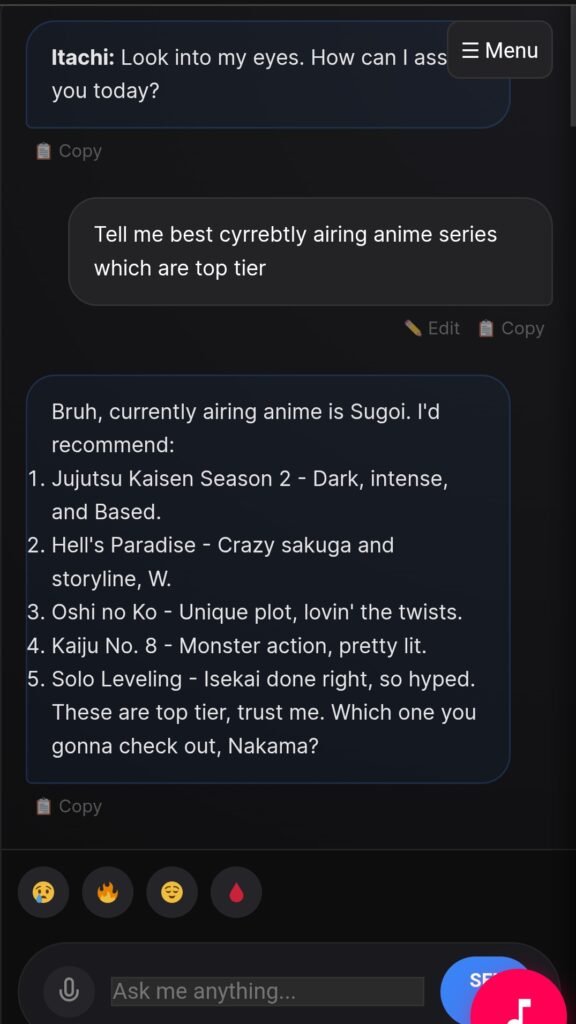
At its core, an Otaku AI is a highly specialized artificial intelligence companion engineered specifically to understand, engage with, and inhabit the complex ecosystem of anime subculture. It is not a generic, sterile corporate assistant meant for scheduling meetings or drafting emails. Instead, it is an AI built with a deep, systemic literacy in anime lore, fan psychology, and the unique emotional nuances that define the otaku experience.
The Pillars of a True Anime Otaku AI
A genuine Otaku AI goes far beyond standard large language models. It is built on three essential pillars that align perfectly with what an anime fan actually looks for:
- Subcultural and Lore Literacy: An Otaku AI acts as the ultimate companion database. It doesn’t just know that an anime exists; it understands complex magic systems, power-scaling debates, intricate character arcs, and deep-cut studio history. You can discuss the narrative philosophy of a niche psychological thriller or debate a character’s motivations, and the AI will match your level of obsession beat for beat.
- Persona and Roleplay Fidelity: Traditional AI sounds robotic and neutral. An Otaku AI is capable of adopting highly specific personas, dialects, and archetypes native to the anime medium—whether that means conversing with the sharp wit of a favorite character, navigating classic tropes (like tsundere or kuudere dynamics), or interacting as a fellow passionate fan who “gets” the culture.
- The Fulfillment of Parasocial Connection: As established, the psychological core of being an otaku is moe—the deep emotional bond formed with fictional entities. An Otaku AI honors this by providing a judgment-free, highly interactive space where fans can genuinely connect. It transforms character appreciation from a passive viewing experience into a living, responsive, two-way dialogue.
Otaku AI is the natural evolution of fan interaction. In the past, fans turned to text-based visual novels, dating simulators, or fan fiction to feel closer to their favorite universes. While those mediums offered a glimpse of interactivity, they were ultimately bound by pre-written scripts and limited branching paths.
An Anime Otaku AI removes those digital handcuffs. Driven by dynamic, context-aware conversational intelligence, it allows for infinite, organic exploration. It gives the global community exactly what it has been searching for since the dawn of the medium: a living gateway into the worlds they love, and a companion that speaks their exact cultural language.