

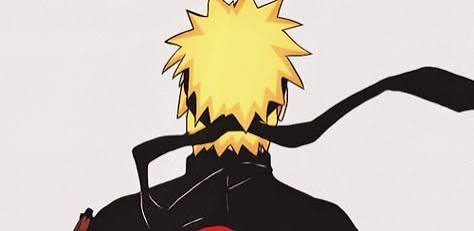

Naruto Uzumaki
Seventh Hokage · Nine-Tails Jinchūriki · Toad Sage · Child of Prophecy · Hero of the Hidden Leaf
Konohagakure (Hidden Leaf Village), Land of Fire · Origin: Konoha — born on the night of the Nine-Tails’ attack
anitroves.com/naruto-uzumakiAbout
Naruto Uzumaki is the most iconic protagonist in the history of shonen manga — a boy born on the same night the Nine-Tailed Fox was sealed inside him by his father Minato Namikaze, the Fourth Hokage — who sacrificed his life to contain the beast. Orphaned instantly and branded by the village as the vessel of the creature that killed their loved ones, Naruto grew up invisible: ignored by adults, excluded by peers, and desperate for acknowledgement from a community that refused to see him as anything other than a threat. His declaration — “I’m going to be Hokage!” — was not ambition. It was survival. The only dream available to a child who had nothing else. What Masashi Kishimoto constructed over the course of the series is one of the most complete arcs in the medium: from the bottom of every social hierarchy Konoha had, through every mission, every failure, every improbable comeback, Naruto accumulated strength — not by becoming a different person, but by refusing to let the world make him one. He never abandoned his principles. He converted enemies into allies through sheer refusal to give up on them. He ended a global war. And then, having done all of that, he sat in the Hokage’s office and did the harder work: the administrative, diplomatic, daily grind of actually running a village — exactly as unglamorous and exactly as essential as he had always imagined it would be. Naruto did not just become Hokage. He became the kind of Hokage that made every previous holder of the title look over their shoulder and nod.
Experience

Seventh Hokage — Nanadaime Hokage
Konohagakure (木ノ葉隠れの里) — Hidden Leaf Village · Land of Fire
Post-Fourth Shinobi World War · Active · Present
Konohagakure · Village administration, inter-village diplomacy, Otsutsuki threat response
The culmination of everything Naruto declared he would become from the day he carved his name into the Hokage Monument. As Seventh Hokage, Naruto inherited the village from the Sixth Hokage Kakashi Hatake and became its chief executive authority — responsible for Konoha’s security, foreign policy, economic development, and shinobi operations. His tenure is defined not just by the extraordinary threat environment (Otsutsuki invasions, Kara organisation, scientific ninja tools proliferation) but by the quieter, harder work of governing: attending summits, mediating disputes, managing a bureaucracy that does not pause for existential crises. He accomplished what no shinobi before him managed by transforming from the village’s most despised outcast into the living embodiment of what the village stands for. Every Hokage before him was respected. Naruto was loved.
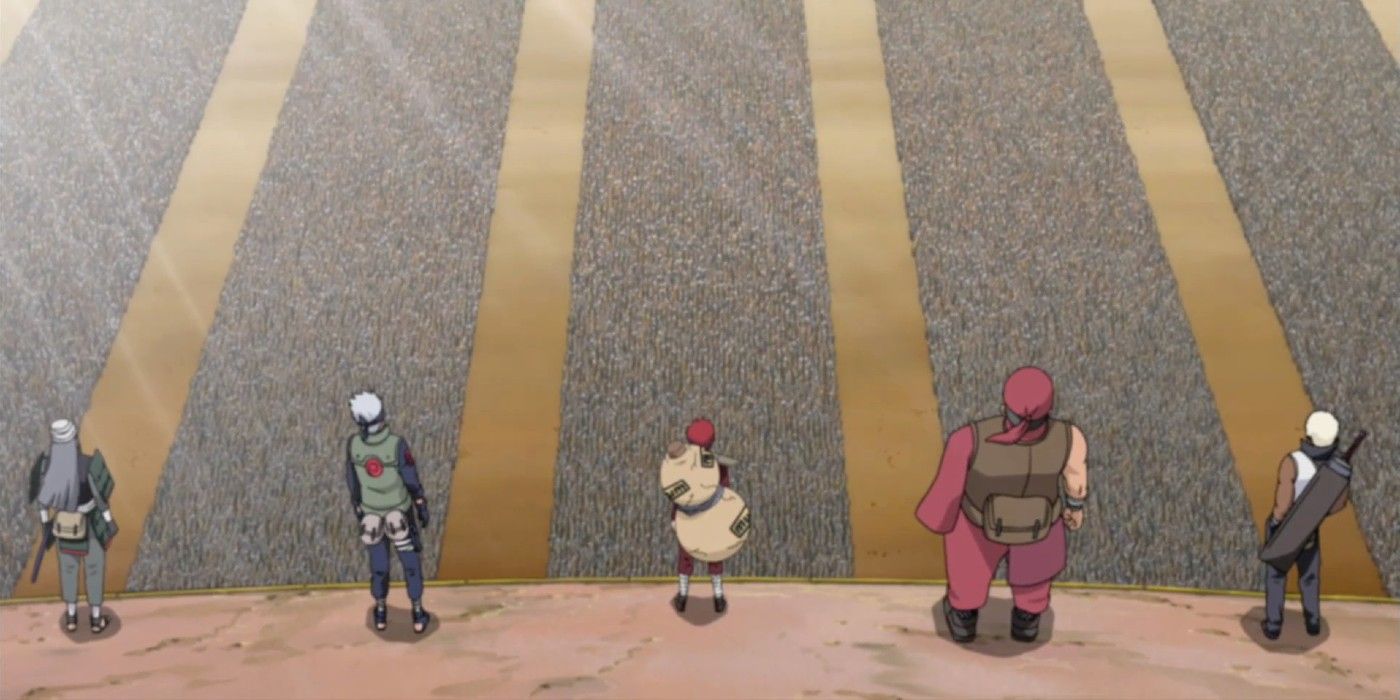
Field Commander — Allied Shinobi Forces (Fourth Shinobi World War)
Allied Shinobi Forces (忍連合軍) — Five Great Nations coalition · Wartime command
Fourth Shinobi World War · Year of the War · Active engagement
Various frontlines, eventually global — fought Madara Uchiha and Kaguya Otsutsuki
During the Fourth Shinobi World War, Naruto emerged as the decisive operational force on behalf of the Allied Shinobi Forces — a coalition of all five great hidden villages assembled to oppose Madara Uchiha and Obito’s Eye of the Moon Plan. Initially deployed to prevent his capture as a jinchūriki, Naruto rapidly became the war’s turning point: his Nine-Tails Chakra Mode distribution — sharing Kurama’s chakra cloak with all 40,000 Allied forces simultaneously — was the tactical action that prevented the entire army’s defeat. He then engaged and fought Madara Uchiha, the Ten-Tails, Obito, and ultimately Kaguya Otsutsuki — the progenitor of chakra herself — in the final phase of the war, alongside Sasuke Uchiha. His morale impact on Allied forces was incalculable: soldiers who had never met him fought harder because he was on the field.
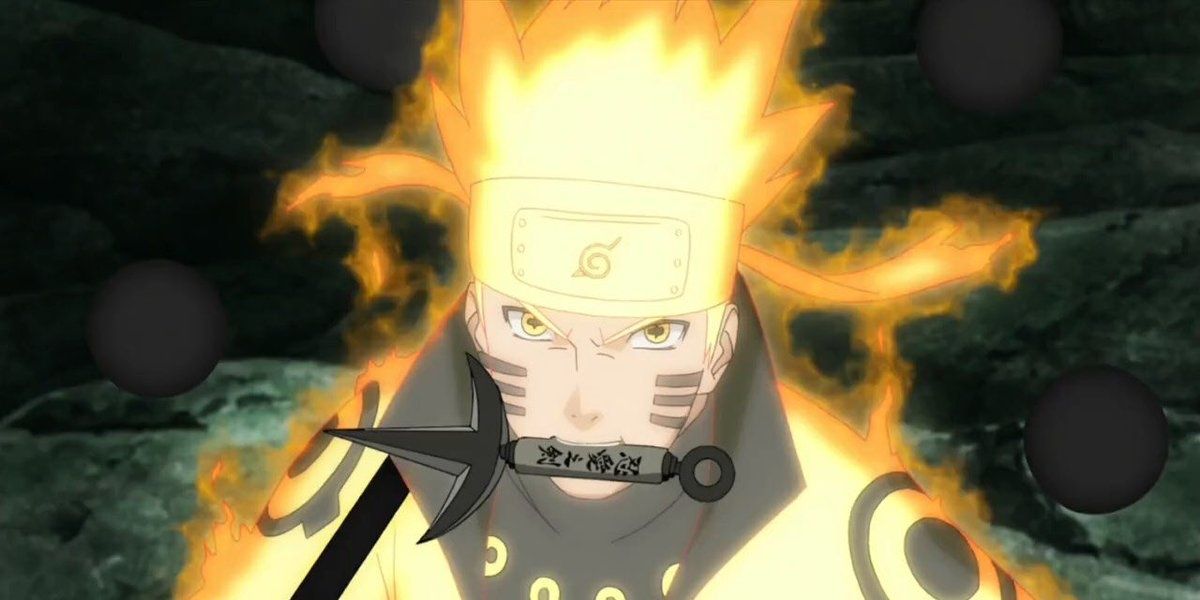
Toad Sage — Senjutsu Practitioner, Mount Myoboku
Mount Myoboku (妙木山) — Home of the Toads · Senjutsu training ground
Post-Jiraiya’s death — trained under Fukasaku · Active, enhanced with Six Paths
Mount Myoboku / field deployment · Natural energy absorption and Sage amplification
Following Jiraiya’s death, Naruto entered Mount Myoboku — the sacred home of the toad summons — and underwent intensive senjutsu training under Fukasaku, one of the Two Great Sage Toads. Sage Mode requires the user to perfectly balance natural energy with their own physical and spiritual chakra, transforming it into senjutsu chakra of extraordinary potency. The training is lethal if imbalanced: too much natural energy petrifies the user into stone. Naruto mastered it by using shadow clones to passively absorb nature energy while he fought — a workaround no previous user had employed at operational scale. His Sage Mode massively amplified his physical capabilities, sensing range, and the power of his jutsu. Post-war, Hagoromo Otsutsuki elevated this to Six Paths Sage Mode — a state that grants Truth-Seeking Balls and godlike destructive potential.
Konoha Shinobi — Team 7, Special Jonin Operations
Konohagakure — Team 7 · Under Kakashi Hatake · Graduated 104th… no, Konoha Academy
Academy Graduation · Genin → de facto Jonin-level · Full operational career
Land of Fire, Land of Waves, Sand, Sound, Rain, Frost · All major missions
Assigned to Team 7 under Kakashi Hatake alongside Sasuke Uchiha and Sakura Haruno, Naruto’s shinobi career began at the absolute bottom — lowest Academy rank in his class, failed the graduation exam three times before passing via Multi-Shadow Clone Jutsu, and initially dismissed as dead weight by every senior shinobi who assessed him. Over the following years he participated in every significant Konoha operation: the Land of Waves bridge mission, the Chunin Exams (where he defeated Neji Hyuga and fought Gaara), the failed Sasuke retrieval, Jiraiya’s two-and-a-half-year training program, the Five Kage Summit, and the full Fourth Shinobi World War sequence. He never formally received jonin rank — his ascent went directly from field operative to Hokage candidate — but his operational record is beyond any rank designation.

Nine-Tails Jinchūriki — Kurama Partnership (九尾の人柱力)
Kurama (九尾) — Nine-Tailed Fox · Sealed by Minato Namikaze at birth
Birth — Death of Kurama (Baryon Mode) · Approximately 20 years of active jinchūriki status
Internal — Naruto’s own chakra system · Escalating cooperation to full partnership
From the moment of his birth, Naruto was the Nine-Tails’ vessel — the living cage for the most powerful of the nine tailed beasts, sealed inside him by his father at the cost of both his parents’ lives. For most of his early career, this relationship was adversarial: Kurama despised humans, despised jinchūriki, and regarded Naruto with contempt. Naruto’s access to the Nine-Tails’ chakra was limited, dangerous, and unpredictable. The transformation arc — from suppressed, barely controlled chakra bursts to complete cooperative partnership — is one of the series’ most emotionally resonant threads. When Naruto finally earned Kurama’s acknowledgement, their combined form became arguably the most powerful shinobi force in history. Kurama’s death during the Baryon Mode activation against Isshiki Otsutsuki — spending his own life as fuel — was the series’ most devastating individual loss.
Education
Konoha Shinobi Academy — Graduated (Third Attempt)
Konoha Shinobi Academy (忍者学校) — Konohagakure · Mandatory shinobi education
Six-year curriculum · Graduated via Multi-Shadow Clone Jutsu · Final ranking: last in class
Konoha — classroom and field basics · Chakra theory, taijutsu, ninjutsu fundamentals

Advanced Ninjutsu Training — Jiraiya (Pervy Sage)
Jiraiya (自来也) — Legendary Sannin · Gallant Jiraiya · Konoha’s greatest field operative
Chunin Exams preparation · 2.5-year intensive training period · Jiraiya’s death, Year of Shippuden
Various locations — Konoha, Land of Rain, field training · Rasengan, Summoning, Sage basics
Sage Mode Mastery — Mount Myoboku, Under Fukasaku
Mount Myoboku (妙木山) · Fukasaku (大仙蟇) — Great Sage Toad · Senjutsu curriculum
Post-Jiraiya death · Accelerated program · Passed via shadow clone absorption technique
Mount Myoboku · Natural energy balancing, Frog Kata, Sage-enhanced jutsu

Sealing Arts & Kurama Cooperation — Minato Namikaze (Father)
Minato Namikaze (波風ミナト) — Yondaime Hokage · Fourth Hokage · Naruto’s father
Eight Trigrams Sealing Style · Partial seal contact at Battle of Tailed Beasts
Naruto’s consciousness / Paths dimension · Yang-half transfer, seal release instruction
Skills
Naruto Uzumaki’s skill profile defies conventional shinobi classification because his power ceiling expanded in non-linear jumps tied to specific transformations, each of which fundamentally altered his combat capabilities. His baseline human-form ninjutsu is centred on the Multi-Shadow Clone Jutsu — the technique that defined his entire career and which he uses at a scale no other user in the series approaches; where others might deploy a handful, Naruto routinely deploys hundreds, using them for combat, sensory relay, senjutsu charging, and simultaneous training. His core offensive technique is the Rasengan and its extensions — the Wind Release: Rasenshuriken being its most powerful non-Sage iteration, a technique so chakra-intensive it was initially deemed impossible to throw without destroying the user’s arm. In Sage Mode, his physical parameters increase dramatically, his sensing range becomes planetary in scale, and his jutsu gain senjutsu amplification. In Nine-Tails Chakra Mode — and its full cooperation variant with Kurama — his speed, durability, and destructive output reach levels that make most other shinobi irrelevant at tactical range. In Six Paths Sage Mode, he wields Truth-Seeking Balls of pure natural energy capable of negating most ninjutsu, and his sensing extends across the entire shinobi world. His taijutsu is strong but not refined — he relies on the Frog Kata style from Sage Mode and sheer aggression rather than the systematic discipline of Rock Lee or Neji. His genjutsu is essentially non-existent — a consistent weakness. His greatest asset across all forms is his chakra reserves: the largest of any non-Otsutsuki shinobi ever recorded, supplemented by Kurama’s essentially inexhaustible supply. His leadership} is instinctive, charismatic, and disproportionately effective — his ability to reach people who had given up on the world is not a jutsu but it consistently produces outcomes that no technique could replicate.
Languages
Standard Shinobi (Common Tongue)
Native — spoken and written language of the Land of Fire and the broader shinobi world; Naruto’s vocabulary in early career was notably informal and imprecise, maturing significantly by his Hokage tenure
Toad Summon Language (Senjutsu Communication)
Operational fluency — acquired through Mount Myoboku training and the standing summoning contract; sufficient for coordinating with toad summons including Gamabunta, Fukasaku, Shima, and Gerotora in live combat
Tailed Beast Communication (Mind-space / Paths)
Native command-level — the internal language of jinchūriki-to-tailed-beast communication conducted within the consciousness space; Naruto’s fluency here moved from one-sided screaming matches with Kurama to a partnership so complete they could coordinate complex combat manoeuvres without verbal exchange
Licenses & Certifications
Konoha Shinobi License — Academy Graduate, Team 7 Assignment
Konohagakure Hidden Leaf Village · Commanding Officer: Kakashi Hatake (Team 7)
Issued: Academy Graduation · Active through Hokage appointment
Credential ID: KONOHA-GENIN-NARUTO-001
Toad Sage Certification — Senjutsu Mastery, Mount Myoboku
Mount Myoboku · Fukasaku & the Great Toad Sage · Senjutsu lineage
Certified post-Jiraiya’s death · Shadow Clone absorption method · Active
Credential ID: SAGE-MYOBOKU-NARUTO-001
Nine-Tails Chakra Mode — Full Kurama Cooperation Achieved
Kurama (Nine-Tailed Fox) · Sealed by Minato Namikaze · Partnership via trust
Cooperation: Training with Killer B, Waterfall of Truth · Active until Kurama’s death
Credential ID: NINETAILS-CHAKRA-NARUTO-001
Six Paths Sage Mode — Granted by Hagoromo Otsutsuki
Hagoromo Otsutsuki (Sage of Six Paths) · Progenitor of Chakra · Paths dimension
Granted: Final phase of Fourth Shinobi World War · Truth-Seeking Balls, godlike output
Credential ID: SIX-PATHS-SAGE-NARUTO-001
Accomplishments
Historic First
First Jinchūriki to Achieve Voluntary Full Cooperation with Their Tailed Beast
Naruto and Kurama’s partnership — from adversarial containment to complete mutual trust — was unprecedented in the history of jinchūriki; no previous host had achieved willing cooperation rather than suppression or domination
Combat Achievement
Defeated Pain (Nagato) — Six Paths of Pain, Deva Path God Realm Destruction
Battle of Konoha · Single-handedly defeated all six Pain bodies after surviving Almighty Push that levelled the village; then persuaded Nagato to entrust the world’s future to him — the decisive argument that caused Nagato to restore all those killed in the attack
Strategic Achievement
Converted Gaara, Neji, Obito, and Nagato — Turned Enemies Into Allies
Naruto’s most consistent and distinctive ability: reaching shinobi who had abandoned the world and persuading them — not by defeating them but by understanding them — to choose a different path; the list of people transformed by this approach is unprecedented in the series
Defining Act
Ended the Fourth Shinobi World War — Fought Kaguya Otsutsuki with Sasuke Uchiha
Alongside Sasuke, sealed Kaguya Otsutsuki — the progenitor of chakra and the most powerful being in the series prior to the Otsutsuki arc — using the Six Paths Yin-Yang Release sealing technique granted by Hagoromo; ending the Infinite Tsukuyomi and the war simultaneously
Legacy
Became Seventh Hokage — Fulfilled the Promise Made the Day Wall Maria… the Day He Was Born
The promise Naruto made to himself as a child in a village that despised him — to become Hokage and be acknowledged by everyone — was fulfilled not by being given anything but by earning every increment of it over twenty years of refusal to quit
Similar Profiles
Special Grade Jujutsu Sorcerer · Professor at Tokyo Jujutsu High · Six Eyes Wielder
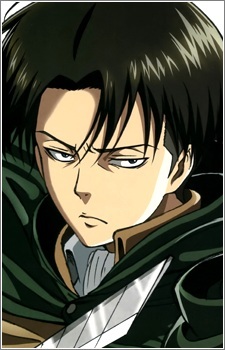
Humanity’s Strongest Soldier · Captain, Survey Corps · Ackerman Clan
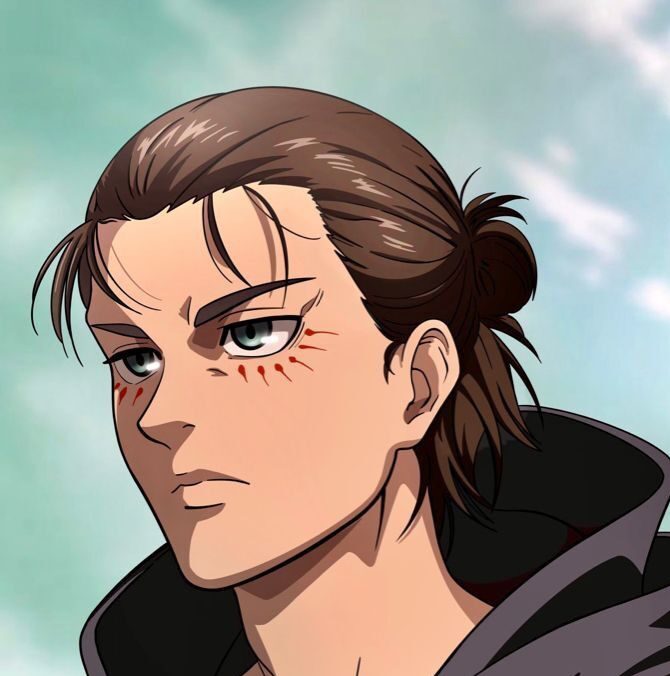
Attack Titan · Founding Titan · Architect of the Rumbling · Survey Corps
ANBU Captain · Akatsuki · Mangekyō Sharingan · Sacrificed Everything for Konoha
King of the Pirates · Gear 5 · Nika · Straw Hat Pirates Captain
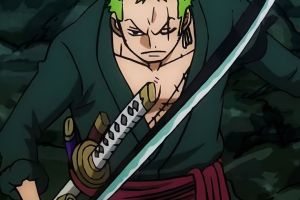
World’s Greatest Swordsman · Three Sword Style · Straw Hat Pirates · Asura
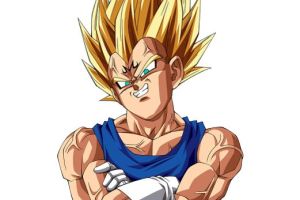
Prince of the Saiyans · Ultra Ego · Z Fighter · Dragon Ball Super
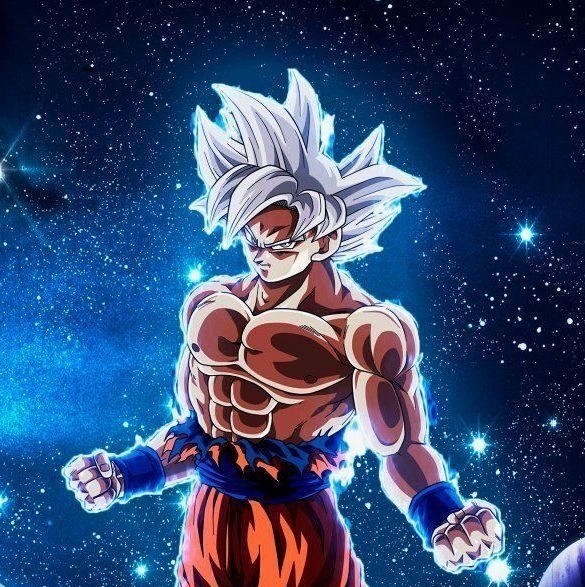
Legendary Saiyan Warrior · Protector of Earth · Ultra Instinct Master · Z Fighter
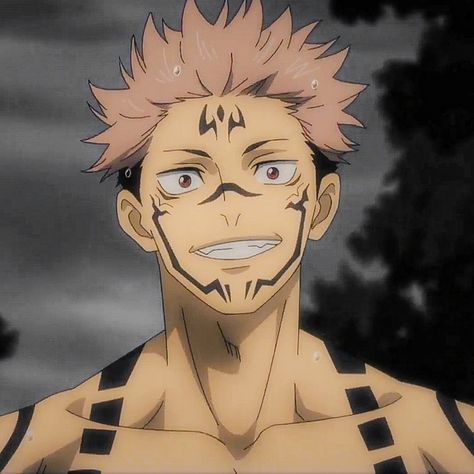
King of Curses · Highest-Ranked Cursed Spirit · Jujutsu Kaisen
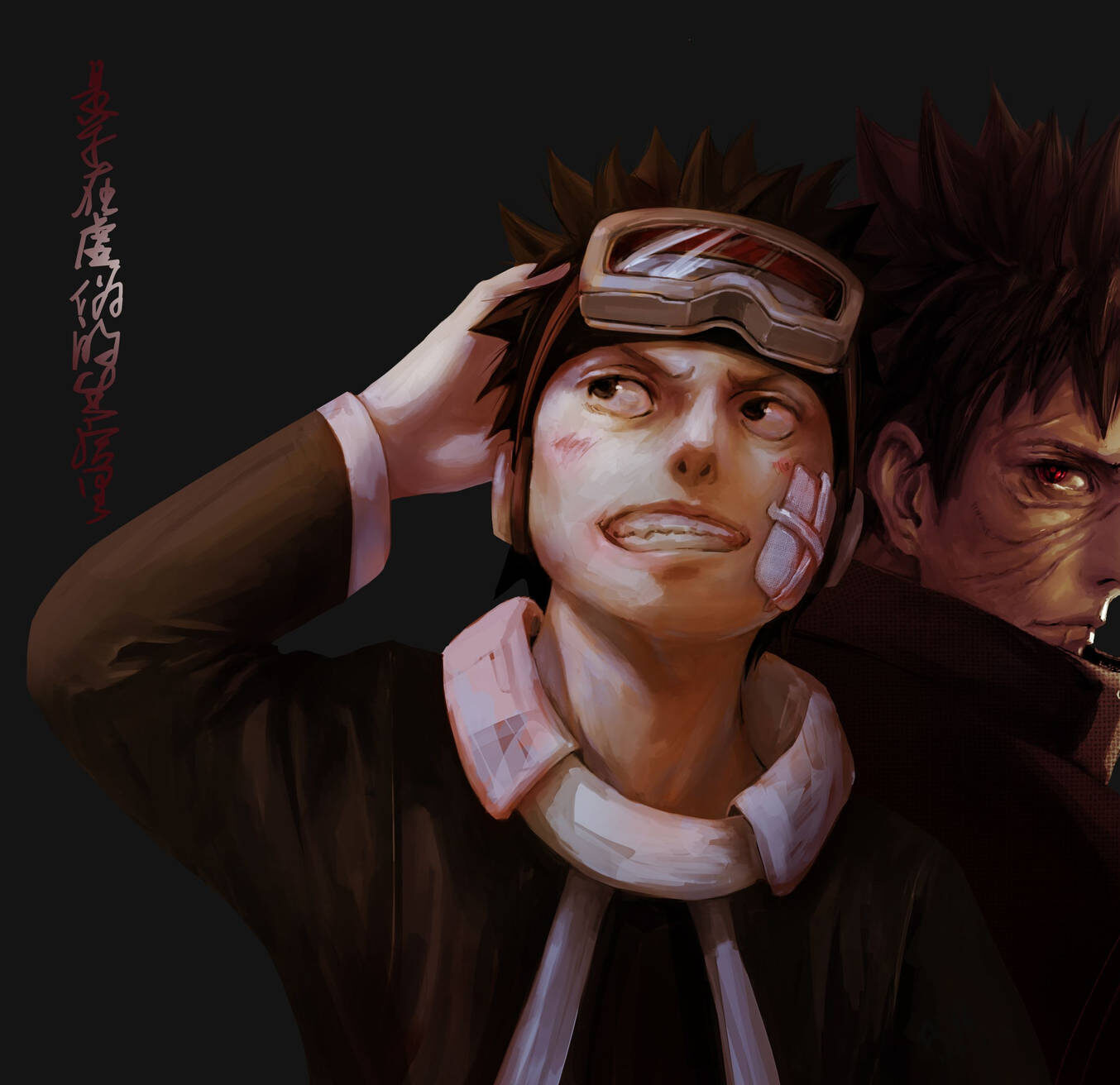
Masked Man · Akatsuki Leader · Ten-Tails Jinchūriki
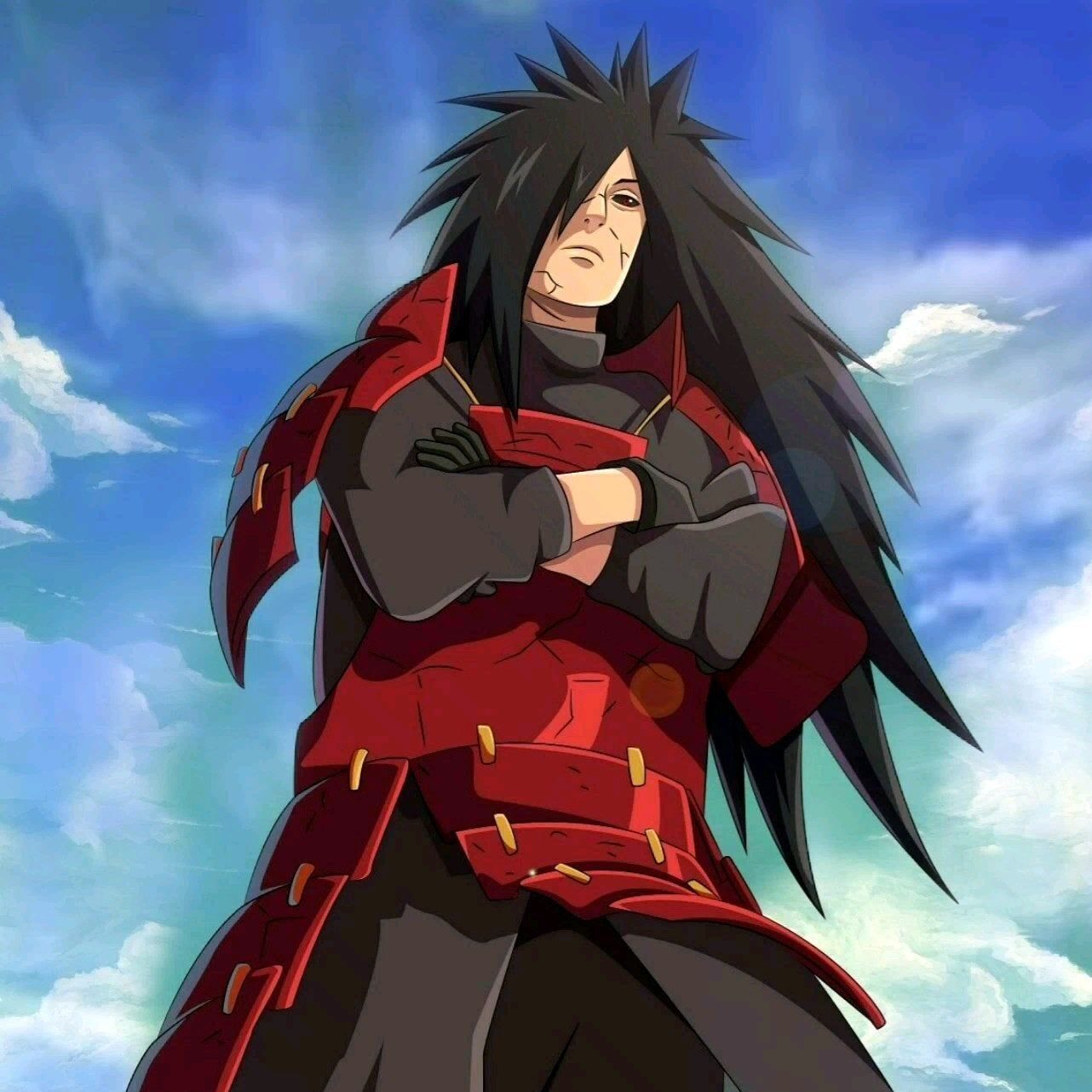
Legendary Shinobi · Co-Founder of Konohagakure · Six Paths Sage · Uchiha Clan Leader
Similar Profiles
Special Grade Jujutsu Sorcerer · Professor at Tokyo Jujutsu High · Six Eyes Wielder
Humanity’s Strongest Soldier · Captain, Survey Corps · Ackerman Clan
Attack Titan · Founding Titan · Architect of the Rumbling · Survey Corps
ANBU Captain · Akatsuki · Mangekyō Sharingan · Sacrificed Everything for Konoha
King of the Pirates · Gear 5 · Nika · Straw Hat Pirates Captain
World’s Greatest Swordsman · Three Sword Style · Straw Hat Pirates · Asura
Prince of the Saiyans · Ultra Ego · Z Fighter · Dragon Ball Super
Legendary Saiyan Warrior · Protector of Earth · Ultra Instinct Master · Z Fighter
King of Curses · Highest-Ranked Cursed Spirit · Jujutsu Kaisen
Masked Man · Akatsuki Leader · Ten-Tails Jinchūriki
Legendary Shinobi · Co-Founder of Konohagakure · Six Paths Sage · Uchiha Clan Leader
Character Deep Dive
Naruto Uzumaki
うずまきナルト · Character Profile
Physical Build & Appearance
Height
180 cm (5’11”) as an adult — he grew substantially between Part I and his Hokage era. In Part I he was one of the shorter members of his class. The adult Naruto is broad-shouldered and physically imposing in a way that his early self could not have projected.
Hair
Spiky, wild blond hair — one of the series’ most recognisable silhouettes. In Sage Mode the hair becomes even more defined. As Hokage his hair is somewhat shorter and less chaotic, though still unmistakably his. The blond colouring is inherited from Minato.
Eyes
Bright blue, wide, and expressive — communicating his emotions with a transparency that makes him both easy to read and impossible to dismiss. In Nine-Tails Chakra Mode they shift to a golden, toad-like form. In Sage Mode they adopt the characteristic orange-red toad irises. In Six Paths Sage Mode they display a cross-shaped pupil.
Marks
Three whisker marks on each cheek — a direct result of Kurama’s chakra influence during gestation in Kushina’s womb. The whiskers are among the series’ most iconic visual signatures. In Nine-Tails chakra states they become more pronounced, and in Kurama’s full mode they extend across his entire face in a fox-mask pattern.
Attire
Orange jumpsuit with blue or black accents throughout Part I and Part II — a deliberately conspicuous colour choice that every stealth-focused shinobi in the series criticises and that Naruto never changes. As Hokage he wears the traditional red Hokage cloak over his uniform, with the kanji for “Seventh” (七代目) on the back.
Transformed States
Sage Mode adds horizontal toad-like markings around the eyes and shifts irises to orange. Nine-Tails Chakra Mode wraps him in a golden chakra cloak with flowing tails. Full Kurama Mode produces a full bijū-scale manifestation of the Nine-Tails. Six Paths Sage Mode adds a Truth-Seeking Ball array and dramatically altered eye shape — the most visually striking transformation in the series.
Biography & Chronological History
Born the Night the Nine-Tails Attacked Konoha — Orphaned in the Same Moment
Naruto Uzumaki was born on October 10th to Minato Namikaze and Kushina Uzumaki — the Fourth Hokage and the previous Nine-Tails jinchūriki. On the night of his birth, Obito Uchiha (disguised as Madara) forcibly extracted the Nine-Tails from Kushina’s weakened seal and attacked Konoha. Minato intervened, defeating Obito and sealing the Nine-Tails — split into Yin and Yang halves — into his newborn son. Both parents died in the process. Naruto began life having already cost the village its greatest protector and its most loved kunoichi. The village mourned them and feared their son.
Konoha Academy — The Outcast Who Failed Three Times
Naruto spent his Academy years as the class’s worst student and its most ignored member. Adults avoided him. Peers followed their parents’ lead. He failed the graduation exam three consecutive times — unable to produce even a basic clone. He finally passed by learning the Multi-Shadow Clone Jutsu from a forbidden scroll stolen at Mizuki’s manipulation — and in doing so, demonstrated for the first time that his capacity for a technique scaled in direct proportion to his extraordinary chakra reserves. Iruka Umino — the only adult who acknowledged him as a person during those years — became the foundational relationship that everything else was built upon.
Team 7 — Kakashi, Sasuke, Sakura — Land of Waves, Chunin Exams
Assigned to Team 7 under Kakashi Hatake alongside Sasuke Uchiha and Sakura Haruno, Naruto’s shinobi career began in the most unpromising fashion: dismissed by Kakashi, challenged by Sasuke, largely ignored by Sakura. The Land of Waves mission — where they faced Zabuza Momochi and Haku — was the first indication that Naruto’s approach to shinobi work defied categorisation. He formed a genuine connection with Haku during their fight, was moved by their story even in the middle of combat, and refused to let Zabuza pass his death without acknowledging what Haku had meant to him. During the Chunin Exams he defeated Neji Hyuga — one of the exam’s strongest competitors — through a combination of Shadow Clone tactics and Nine-Tails chakra, and fought Gaara to a draw in a battle that began their transformative relationship.
Jiraiya’s Training — Rasengan, Summoning, and 2.5 Years Away
After Sasuke’s defection to Orochimaru, Naruto underwent two training phases with Jiraiya: a brief initial period before the Sasuke retrieval arc, and then the defining 2.5-year period that produced the Naruto of Shippuden. Jiraiya taught him the Rasengan — his father’s invention — which Naruto mastered through a modified approach (using shadow clones to stabilise the rotation). He also taught him the basics of toad summoning and the conceptual foundation of Sage Mode. More importantly, Jiraiya modelled for Naruto what it looked like to be the kind of person who kept believing in people even when every rational analysis said to stop. When Jiraiya died fighting Pain in the Land of Rain, Naruto’s grief was the most significant emotional event of the series to that point.
Pain’s Assault on Konoha — Sage Mode, Nagato, and the Path of Naruto
Pain’s assault on Konoha — which levelled the village with the Deva Path’s Almighty Push — was the first time Naruto faced an opponent who represented a coherent philosophical position rather than simple antagonism. Nagato (Pain) had suffered as much as Naruto, had lost more, and had arrived at a different answer: that only overwhelming pain could teach the world peace. Naruto’s response — defeating all six Pain bodies in Sage Mode, then meeting Nagato in person, then making the argument that he would find a different way — was the series’ clearest articulation of its core thesis. Nagato, convinced, used the Rinne Rebirth technique to restore all those killed in the assault, spending his own life in the process. The village that had feared Naruto wept when he returned.
Tailed Beast Cooperation — Earning Kurama’s Acknowledgement
At the Waterfall of Truth and in training with Killer B, Naruto confronted the darkness Kurama had been feeding — his own hatred and self-pity — and defeated it. He then entered his consciousness and physically wrestled Kurama’s chakra away from him, unlocking Nine-Tails Chakra Mode without the beast’s cooperation. But the real breakthrough came later: when Kurama, having watched Naruto operate in the war, chose to open the gate between them willingly. Their full cooperation — Kurama offering his chakra freely, Naruto receiving it — produced a combined form of such power that the direction of the entire war changed in a single night. The moment of Kurama extending his hand and Naruto reaching back is one of the series’ most celebrated single panels.
Fourth Shinobi World War — Madara, Obito, Kaguya, and the End of an Era
The Fourth Shinobi World War was the series’ climactic engagement: 40,000 Allied Shinobi Forces against the Akatsuki’s reanimated army, the Ten-Tails, Madara Uchiha, and ultimately Kaguya Otsutsuki. Naruto’s operational impact across the war was decisive: he distributed Nine-Tails chakra cloaks to the entire Allied force, personally battled the Ten-Tails alongside Sasuke, received Six Paths powers from Hagoromo, and alongside Sasuke sealed Kaguya using the Six Paths Yin-Yang technique. Between these engagements he reached Obito — helped him find his way back to himself in his final moments — and confronted Madara, whose revival and evolution into the Infinite Tsukuyomi architect demonstrated that the war’s actual scope exceeded what any five Kage summit had anticipated.
Seventh Hokage — The Dream, Achieved, and Then the Work
After the war, after the valley battle with Sasuke that finally ended their lifelong conflict and left both of them with one arm each, Naruto was appointed Seventh Hokage — installed in the office he had declared he would hold since before anyone believed he could tie his own headband. The achievement landed with more weight than triumph: it was the beginning of the harder thing. As Hokage, Naruto deals with Otsutsuki incursions, manages a village that has changed dramatically from the one he grew up in, navigates the proliferation of scientific ninja tools that challenge everything the shinobi world built itself on, and — in the Boruto era — faces threats that operate at a scale his power, extraordinary as it is, cannot simply overwhelm. He lost Kurama during the fight against Isshiki Otsutsuki, activating Baryon Mode as a last resort and watching his oldest companion burn himself to fuel while Naruto survived. It is the series’ clearest statement that the Hokage’s job is never done.
Key Story Arcs Manga & Anime
Naruto — Land of Waves Arc
First Mission Outside Konoha — Zabuza, Haku, and the First Real Stakes
The Land of Waves arc established the series’ emotional register early: this was not a story where the enemy is simply evil. Haku, who fought Naruto in the mist, was a child who had chosen to be Zabuza’s weapon because it was the only purpose available to him. Naruto’s refusal to accept that framing — his insistence that Haku was a person, not a tool — foreshadowed every important relationship he would build with an opponent over the next fifteen years. The arc also produced Team 7’s first brush with mortality and introduced the franchise’s central question: what does it mean to protect someone?
Naruto — Chunin Exams Arc
Neji, Gaara, and the Argument Against Fate
The Chunin Exams arc introduced Neji Hyuga’s philosophy of predetermined fate — that some people are born with ceilings they cannot exceed, and accepting this is wisdom — and then used Naruto to systematically dismantle it. His fight with Neji is one of the series’ most satisfying structural arguments: Naruto did not just defeat Neji, he used the exact mechanism Neji used to define Naruto as a failure (his seal’s backlash chakra) to power the winning blow. The arc also introduced Gaara — a mirror-image of Naruto whose identical starting point produced an entirely different person — and planted the seeds of a transformation that would take another full arc to flower.
Naruto Shippuden — Pain’s Assault Arc
Konoha Destroyed — Sage Mode and the Answer to Nagato
Pain’s assault arc is the series’ thematic centrepiece: Naruto returned from Sage training to find his village levelled and his people traumatised, faced the strongest opponent he had yet encountered, and then — having defeated him — chose to meet him in person and have the conversation. The conversation with Nagato is the series’ most explicit engagement with its central question. Nagato’s hatred was justified. His suffering was real. His answer was wrong. Naruto’s response — “I don’t know how yet, but I’ll find a way” — is either the series’ most honest moment or its most naively hopeful one, and the series never entirely resolves which it is. Nagato’s choice to believe him anyway is the arc’s emotional apex.
Naruto Shippuden — Five Kage Summit / Sasuke Retrieval
The Break with Sasuke — Two Paths That Cannot Converge
The Five Kage Summit arc forced Naruto to confront that his belief in Sasuke — his insistence that Sasuke could still be reached — was colliding with reality. Sasuke had crossed lines that made him an international criminal. The Kage were not wrong to want him dead. Naruto’s position — that he would handle Sasuke himself, that no one else should have to make that decision — was emotionally coherent but operationally unenforceable. The arc is notable for introducing the full Akatsuki picture, Madara Uchiha’s actual identity and goals, and the Five Great Nations’ decision to form the Allied Shinobi Forces. Everything that followed was the consequence of what this arc set in motion.
Naruto Shippuden — Fourth Shinobi World War Arc
The War, Kurama’s Partnership, Madara, Kaguya — and the End
The War arc is the series at its most operationally ambitious and, for many readers, its most controversial. It introduces more power levels, more reanimated legendary shinobi, and more Otsutsuki mythology than the series had previously signalled. Within it, however, are the series’ most important character resolutions: Naruto and Kurama’s cooperation, Obito’s death and redemption, the final confrontation with Sasuke in the Valley of the End — Part II’s mirror of Part I’s most famous fight — and Naruto’s explicit acknowledgement that he could not save Sasuke by himself. The war ends with the sealing of Kaguya and the activation of Infinite Tsukuyomi’s reversal, restoring the world that Madara had transformed into a dream. It is both too large and too intimate to fully work, and it works anyway.
Boruto: Naruto Next Generations — Naruto’s Hokage Era
Governing, Kurama’s Death, and the Weight of What Was Won
The Boruto era presents Naruto as the series’ subject rather than its protagonist — a powerful but now bounded figure navigating a world that has moved past the shinobi paradigm he represents. His relationship with his son Boruto — who resents the Hokage’s absence even as he benefits from the peace it cost to create — is the era’s emotional spine. The Baryon Mode fight against Isshiki Otsutsuki, which burned Kurama to ash as fuel, produced the series’ most devastating post-Part II moment: Naruto surviving while losing the companion who had defined his power ceiling for twenty years. He remains Hokage. The world remains protected. The cost keeps accumulating.
Key Relationships
Sasuke Uchiha
Rival — Brother — The Other Half
The central relationship of the series. Naruto and Sasuke are explicitly framed as reincarnations of Asura and Indra Otsutsuki — brothers in a rivalry that has recurred across centuries. Their dynamic is competitive, antagonistic, deeply caring, and ultimately defined by Naruto’s refusal to give up on Sasuke even when every rational and moral argument said he should. The final valley fight resolves nothing cleanly — both lose an arm; both acknowledge each other — but leaves them as the closest thing either has to a person who fully understands them.
Kurama (Nine-Tails)
Partner — The One He Lost
The relationship that defines Naruto’s power ceiling and his emotional arc in equal measure. From adversarial containment to full cooperative partnership, their journey spans the entire series. Kurama’s death during Baryon Mode — choosing to spend himself as fuel rather than tell Naruto what was happening, because knowing would have stopped Naruto from using the technique — is the series’ most devastating sacrifice. He died protecting the person he had spent twenty years hating and then choosing.
Jiraiya
Mentor — The One Who Believed First
Jiraiya was the first adult outside Iruka who saw Naruto clearly and chose to invest in him — not out of obligation but out of recognition. He was the Child of Prophecy’s teacher, and he knew it, and the knowledge both motivated and burdened him. His death in the Land of Rain, fighting Pain alone, was the series’ most significant mentor-loss and the event that forced Naruto into genuine adulthood. Naruto’s promise to make Jiraiya’s death meaningful is the emotional engine of the Pain arc.
Hinata Hyuga
Wife — The One Who Always Saw Him
Hinata was the first person outside the Iruka-Jiraiya line to acknowledge Naruto as he was — before he was strong, before the village loved him, when being seen by him was all she wanted. Her confession during Pain’s assault (“I love you, Naruto”) was the series’ most explicit statement of romantic feeling, and her willingness to throw herself at Pain for his sake — knowing she would lose — is the arc’s emotional turning point. They marry. They have children. The relationship resolves more quietly than the rivals and the battles, which is exactly right.
Iruka Umino
First Acknowledger — Foundation
Iruka’s decision to protect Naruto during the Mizuki incident — to stand between Naruto and Mizuki and declare that Naruto was his student, not the Nine-Tails — is the series’ first and most important act of acknowledgement. Before Jiraiya, before Kakashi, before Sasuke and Sakura, before the village loved him — Iruka saw Naruto as a person. The father-figure relationship is understated but consistent, and the scene where Naruto asks Iruka to attend his Hokage ceremony as his surrogate father is one of the series’ most quietly moving moments.
Minato Namikaze
Father — The One He Never Knew
Naruto grew up not knowing his parents. When he finally met Minato inside his consciousness — the Yang-half sealed within him activating at the war’s turning point — the reunion was everything the series had been building toward and over in minutes. Minato apologised. Naruto, at first overwhelmed, told him he didn’t blame him. Their relationship is defined by its brevity and its weight: everything Naruto is was shaped by what Minato gave him in the moment of his death.
Gaara of the Sand
Mirror — Converted Enemy — First Friend Among Kage
Gaara was Naruto’s first and most direct mirror: another jinchūriki, another child despised by his village, another person who arrived at a philosophy defined by isolation and pain. Naruto defeated him in the Chunin Exams and then, in doing so, reached him — showed him that the isolation could be fought. Gaara became Kazekage. He became one of Naruto’s strongest allies in the war. The parallel between them is the series’ most explicit argument that the path Naruto chose was available to anyone, and that its absence from other lives was the failure of the people who should have chosen it for them.
Kakashi Hatake
Sensei — Predecessor Hokage
Kakashi’s assessment of Team 7 on their first day — “I like Sasuke, I hate Naruto, and Sakura is somewhere in between” (broadly, his disposition toward their skills) — set a dynamic that Naruto spent the entire series slowly inverting. By the war, Kakashi was willing to sacrifice himself for Naruto’s survival without hesitation. As Sixth Hokage he held the seat until Naruto was ready. Their relationship is the most complete arc among Naruto’s mentor figures: it begins with dismissal and ends with genuine mutual respect.
Meta, Production & Cultural Impact
Creator
Masashi Kishimoto (岸本斉史) — conceived Naruto as a character defined by loneliness and the desire for acknowledgement; stated that Naruto’s core motivation — the need to be seen as a person by people who refuse to see you — came from his own childhood experiences of isolation and the desire to be recognised by peers
First Appearance
Naruto Chapter 1, Weekly Shōnen Jump, September 1999 — ran for 700 chapters until November 2014
Anime
Studio Pierrot — Naruto (2002–2007, 220 episodes) and Naruto: Shippuden (2007–2017, 500 episodes); one of the longest-running and highest-viewed anime productions in history; the franchise continues with Boruto: Naruto Next Generations (2017–present)
Sales
Over 250 million copies of the manga sold worldwide as of 2023 — making it one of the best-selling manga series of all time and the third best-selling manga series ever, behind only One Piece and Dragon Ball. The anime reached over 100 countries and remains among the most internationally distributed anime productions
Cultural Impact
Naruto is the most globally exported shonen protagonist of his generation — the character through which hundreds of millions of readers outside Japan encountered manga for the first time. His influence on subsequent shonen protagonists is visible across nearly every major series that followed. The “hard work beats natural talent” thesis he embodies, and the “never give up” philosophy he represents, became the genre’s dominant emotional template for the 2000s and 2010s
Creator Notes
Kishimoto noted in interviews that Naruto’s journey — from outcast to Hokage — was always the predetermined endpoint; the challenge was making the journey feel earned rather than inevitable. He also stated that he struggled most with the War arc, attempting to balance the series’ intimate character-driven core against the operationally enormous scale the plot demanded. The final chapter — depicting Naruto’s Hokage ceremony — was written before most of the middle sections of the series