
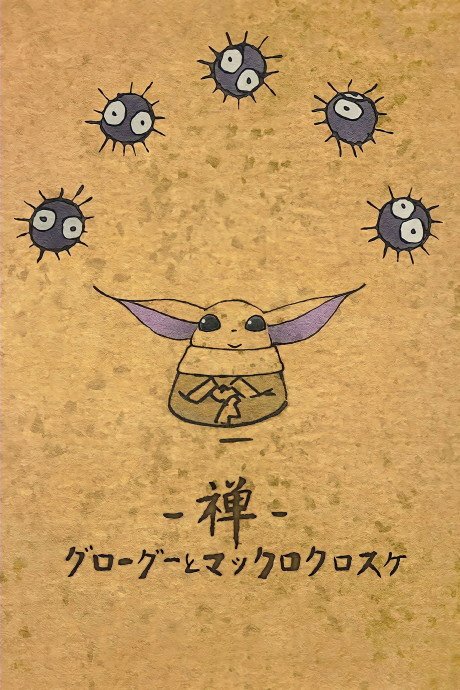
Studio Ghibli Movies In Order: Ranked & Explained
Studio Ghibli has been a cornerstone of anime film studios since the 80s, producing some of the most iconic and beloved films in the genre, with a total of 22 feature-length films under their belt. As a long-time fan, I’ve always been fascinated by their ability to craft unique and captivating stories that transport viewers to new and imaginative worlds. With their latest release, I found myself reflecting on their impressive filmography, and I decided to dive into their entire catalog to explore every major film they’ve worked on in the order of release. From their earliest efforts to their latest masterpieces, Studio Ghibli’s films have consistently pushed the boundaries of animation and storytelling, and I’m excited to share my journey through their remarkable history.

Uncovering the Timeless Magic of Studio Ghibli’s Early Years

▶ Studio Ghibli — Official Trailer
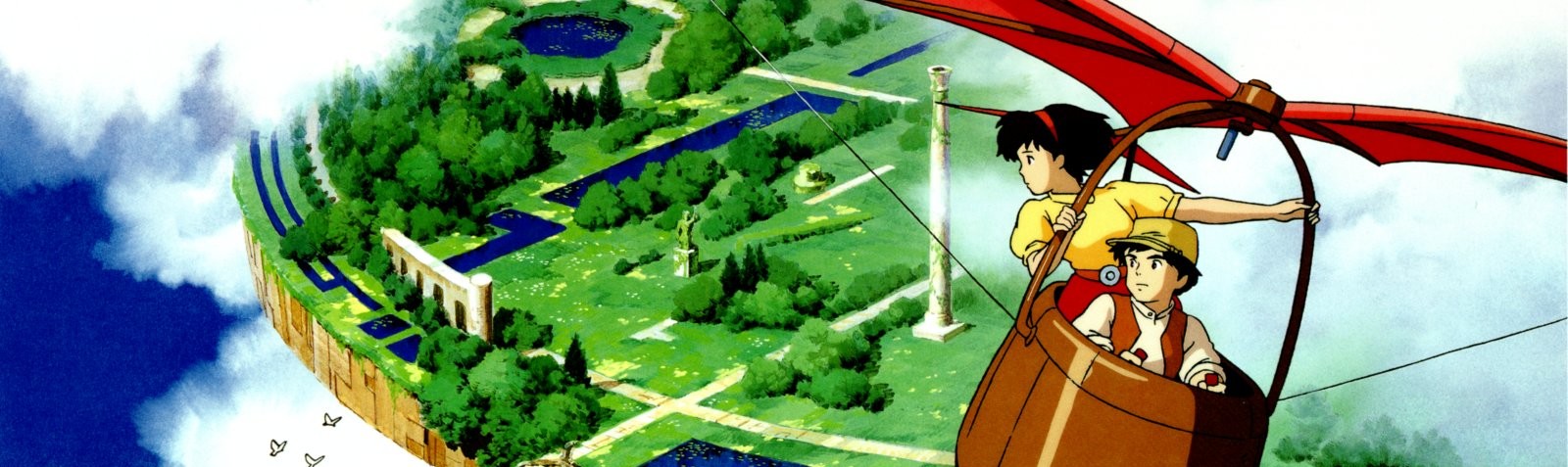
Starting with their first film, “Castle in the Sky” (1986), it’s clear that Studio Ghibli was destined for greatness. This sci-fi adventure, directed by Hayao Miyazaki, set the tone for the studio’s future productions, showcasing their ability to blend action, drama, and fantasy elements into a compelling narrative. The film’s success paved the way for their next project, “Grave of the Fireflies” (1988), a poignant and powerful drama that explores the human cost of war. This film, directed by Isao Takahata, is a devastating portrayal of the consequences of conflict and remains one of the studio’s most highly acclaimed works.
The 1990s saw the release of some of Studio Ghibli’s most iconic films, including “Only Yesterday” (1991), “Porco Rosso” (1992), and “Ocean Waves” (1993). Each of these films showcases the studio’s versatility and willingness to experiment with different genres and styles. From the romantic drama of “Only Yesterday” to the swashbuckling adventure of “Porco Rosso”, these films demonstrate the studio’s ability to craft engaging stories that appeal to a wide range of audiences. One of the most memorable scenes from “Porco Rosso” is the aerial dogfight between the protagonist, Marco, and his rival, Curtis, which showcases the studio’s attention to detail and commitment to creating thrilling action sequences.
Delving into the Golden Age of Studio Ghibli’s Filmography
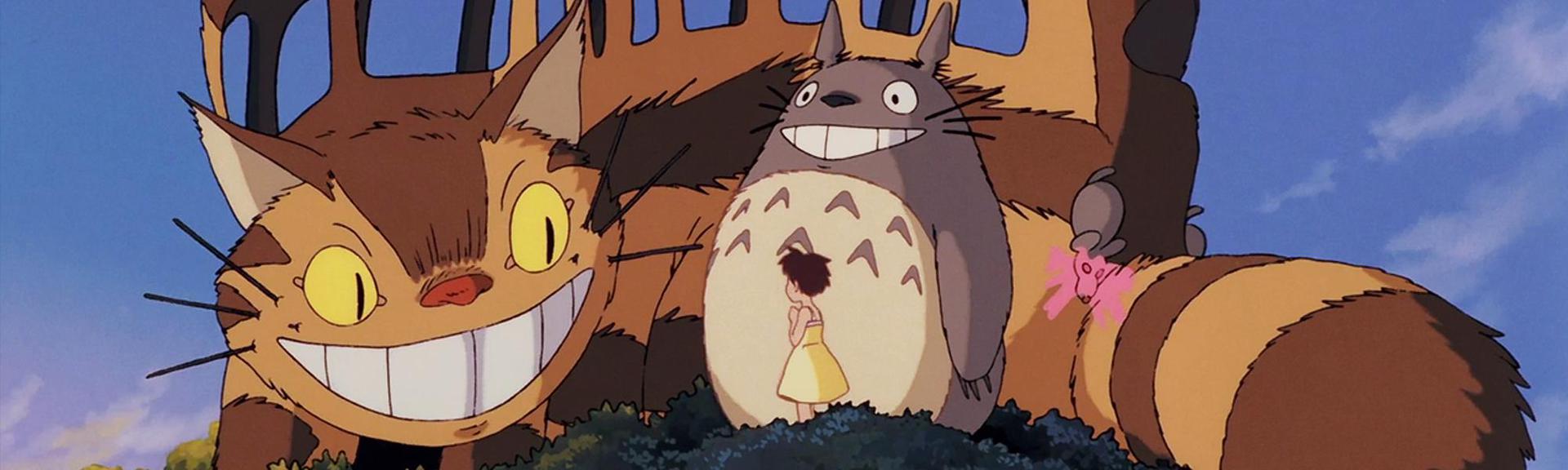
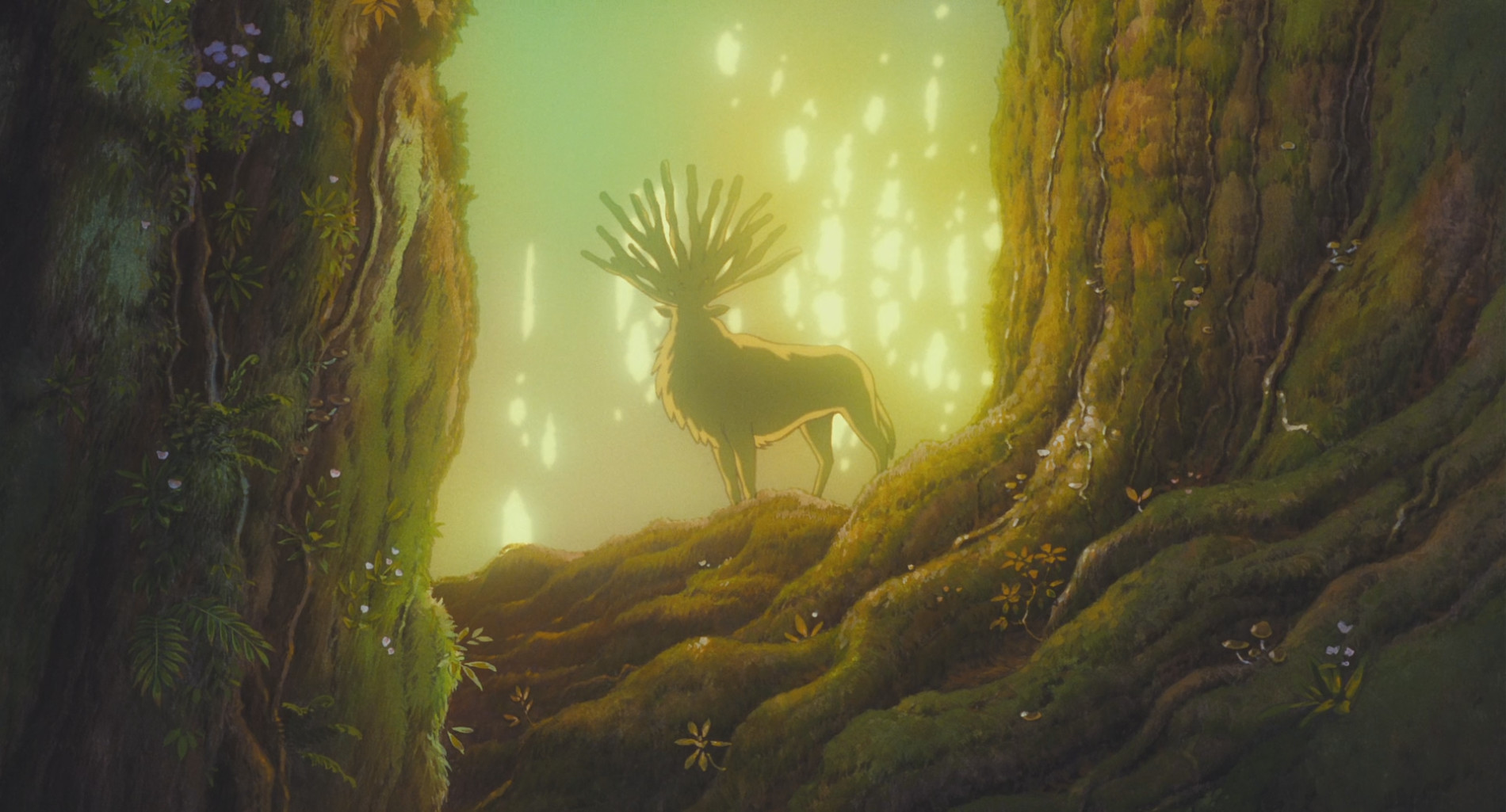
The late 1990s and early 2000s are often referred to as the “Golden Age” of Studio Ghibli, with the release of films like “Princess Mononoke” (1997), “My Neighbor Totoro” (1998 re-release), and “Spirited Away” (2001). These films solidified the studio’s reputation as a leader in the anime industry and introduced their unique brand of storytelling to a global audience. “Princess Mononoke”, in particular, is a landmark film that explores the conflict between humanity and nature, featuring stunning animation and a richly detailed world. The film’s protagonist, San, is a strong and complex character, and her relationship with the wolf-goddess, Moro, is a highlight of the film. The scene where San and Moro first meet is a beautiful example of the studio’s ability to create emotional and meaningful connections between characters.
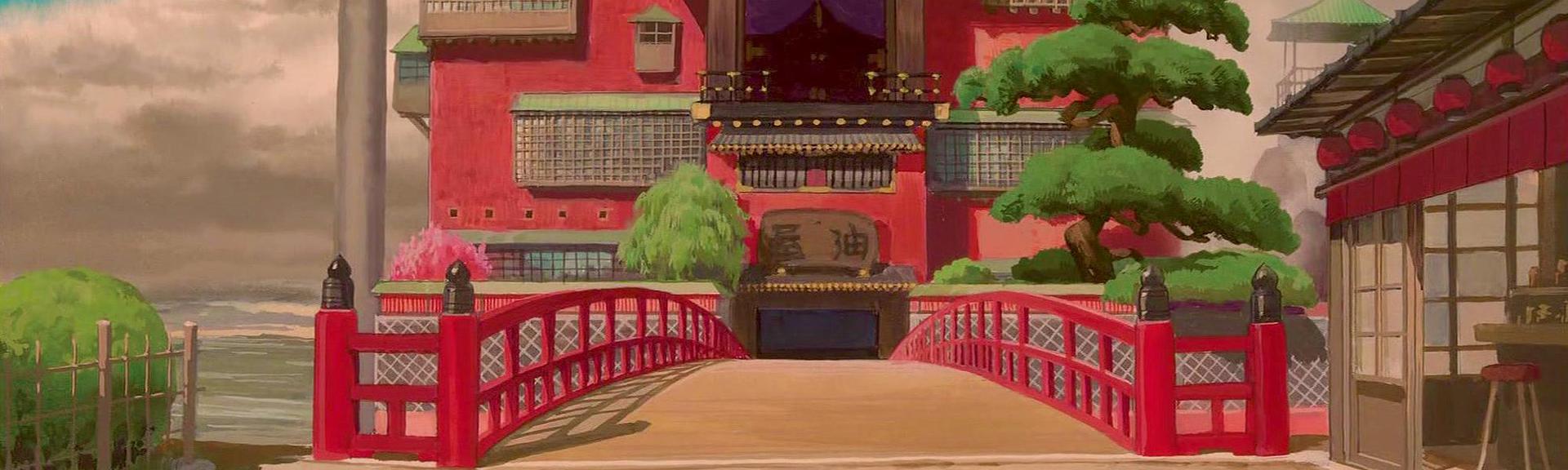
▶ Spirited Away — Official Trailer
The success of “Spirited Away” marked a major turning point for Studio Ghibli, as it became the first anime film to win the Academy Award for Best Animated Feature. This film, directed by Hayao Miyazaki, is a fantastical journey that follows a young girl named Chihiro as she navigates a mystical world filled with strange creatures and unexpected challenges. The film’s themes of identity, growth, and self-discovery are timeless and universal, making it a beloved classic among audiences of all ages. One of the most iconic scenes from the film is the “radish spirit” scene, where Chihiro and her friends work together to clean the spirit’s polluted river, showcasing the studio’s ability to create memorable and impactful moments.
Exploring the Community’s Reaction to Studio Ghibli’s Films


As I delved deeper into Studio Ghibli’s filmography, I was struck by the passionate and dedicated community that has formed around their films. From fans who have grown up with their movies to newcomers who are discovering their works for the first time, the studio’s films have a way of inspiring and resonating with people from all walks of life. On social media platforms, fans share their favorite scenes, characters, and quotes, creating a vibrant and dynamic community that celebrates the studio’s contributions to the world of anime. The subreddit dedicated to Studio Ghibli is particularly active, with fans discussing their favorite films, sharing fan art, and debating the meaning behind certain scenes. The community’s enthusiasm is infectious, and it’s clear that Studio Ghibli’s films have become an integral part of many people’s lives.

The community’s reaction to Studio Ghibli’s films is not limited to online platforms. Fans have created countless fan art, cosplay, and fan fiction inspired by the studio’s works, demonstrating the profound impact that their films have had on popular culture. The studio’s influence can be seen in many other anime series and films, with creators citing Studio Ghibli as a major inspiration for their own work. The studio’s commitment to creating unique and imaginative stories has raised the bar for the anime industry as a whole, pushing creators to experiment with new ideas and techniques. For example, the film “Your Name” (2016) was heavily influenced by Studio Ghibli’s style and themes, and its success can be attributed in part to the studio’s pioneering work in the genre.
Looking Ahead to the Future of Studio Ghibli
As I reflect on Studio Ghibli’s impressive filmography, I’m excited to think about what the future holds for this beloved studio. With new projects in the works, including a potential sequel to “Earwig and the Witch” (2020), fans are eagerly anticipating the studio’s next move. The studio’s commitment to innovation and creativity ensures that their future films will be just as captivating and memorable as their past works. One thing is certain: Studio Ghibli will continue to inspire and enchant audiences around the world, leaving a lasting legacy that will be cherished for generations to come. The studio’s ability to adapt to changing times and technologies while remaining true to their artistic vision is a testament to their dedication to their craft.
As a fan, I’m grateful for the opportunity to experience the magic of Studio Ghibli’s films, and I look forward to seeing what the future holds for this incredible studio. With their unique blend of imagination, creativity, and technical skill, Studio Ghibli is poised to continue pushing the boundaries of animation and storytelling, inspiring new generations of fans and filmmakers alike. The studio’s influence can be seen in many aspects of popular culture, from film and television to music and literature, and their impact will only continue to grow in the years to come. As I finish my journey through Studio Ghibli’s filmography, I’m left with a sense of wonder and awe, and I’m excited to see what the future holds for this beloved studio.
Ultimately, Studio Ghibli’s films are a testament to the power of imagination and creativity, and their ability to transport us to new and exciting worlds is a gift that we can all appreciate. As I look back on their impressive filmography, I’m reminded of the importance of preserving and celebrating our cultural heritage, and I believe that Studio Ghibli’s films will continue to be a source of inspiration and joy for audiences around the world. With their commitment to quality, innovation, and artistic excellence, Studio Ghibli will always be a shining example of what can be achieved when creativity and imagination come together. And as I eagerly await their next film, I know that I’m not alone in my passion for this incredible studio and their unforgettable movies.









Leave a Reply